Mongabay · Klimaat & natuur
Singkil Peat Swamp Faces Destruction
The Singkil peat swamp in Sumatra's Leuser Ecosystem, a vital habitat for Sumatran orangutans, is under threat from illegal clearing and draining for agriculture, despite legal protections.
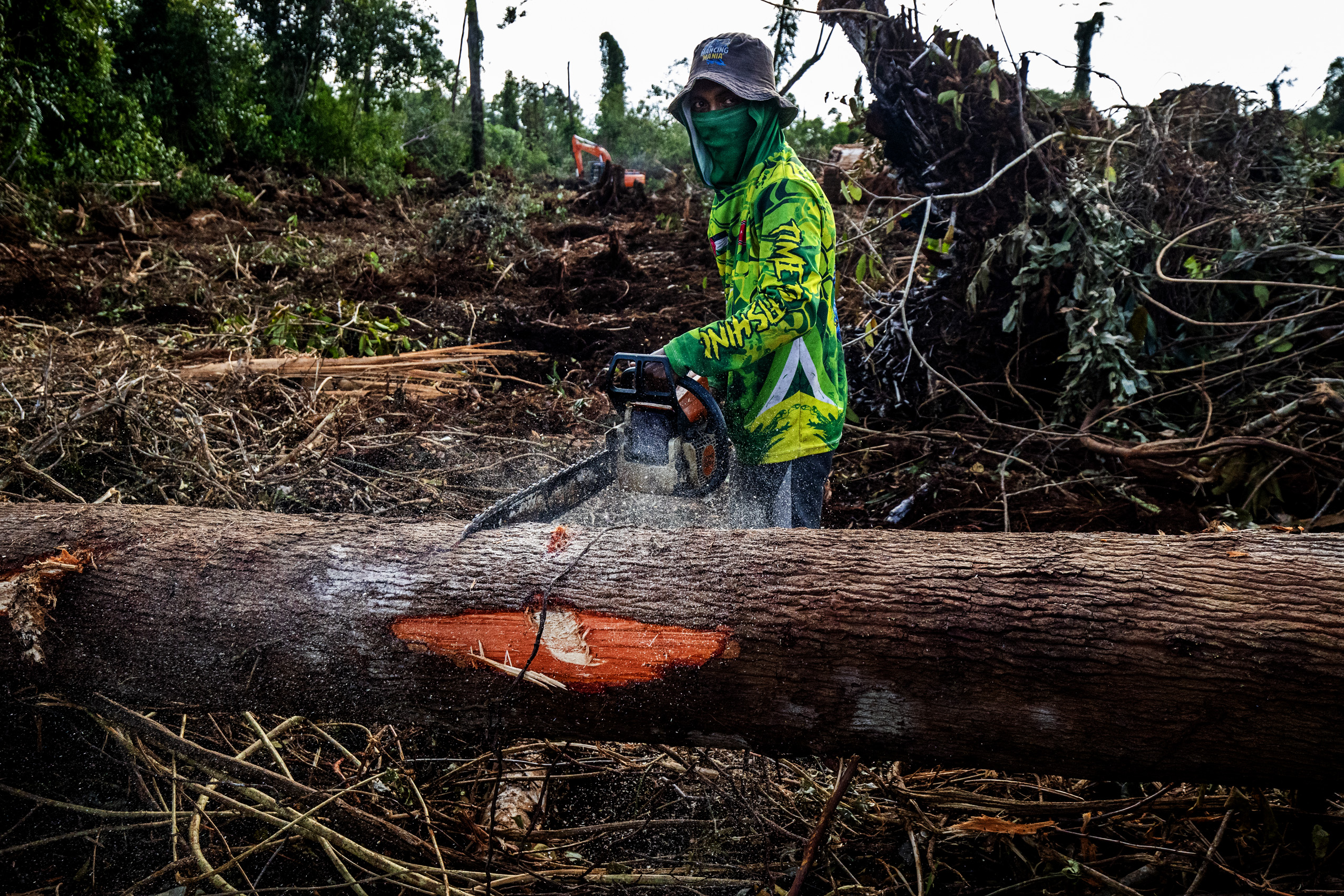
Singkil is the largest of Sumatra's remaining coastal peat swamp forests and, along with Kluet and Tripa, forms a region known as the "orangutan capital of the world," supporting high densities of Sumatran orangutans.
Despite being a legally protected wildlife reserve, extensive illegal clearing, draining, and the establishment of oil palm plantations are occurring within Singkil. Satellite data confirms this expansion.
Drained peatlands are highly flammable, and Indonesia's approaching fire season poses a severe risk. Fires can smolder deep underground, releasing significant amounts of stored carbon and contributing to greenhouse gas emissions.
Conservation efforts must consider the needs of local communities who depend on the land for livelihoods, but investigations reveal organized clearing and commercial oil palm expansion beyond subsistence farming.
Singkil is crucial for the critically endangered Sumatran orangutan due to its abundant and consistent food sources, allowing for exceptional population densities. A recent study confirmed the highest orangutan densities in the Trumon–Singkil peat swamp.
The same study found a nearly 20% decline in the Sumatran orangutan population between 2011 and 2023, with an estimated 11,694 individuals remaining.
Conservationists warn that without stronger enforcement against illegal activities and alternative livelihood options for communities, Singkil's protection will remain ineffective, leading to its loss.
AI-samenvatting op basis van de bron.
Mongabay