ArchDaily · Creativity & design
Choosing Wood for Coastal Environments
Coastal construction demands wood that can withstand harsh conditions like humidity, salt air, and frequent storms. Key characteristics for selection are durability and dimensional stability.
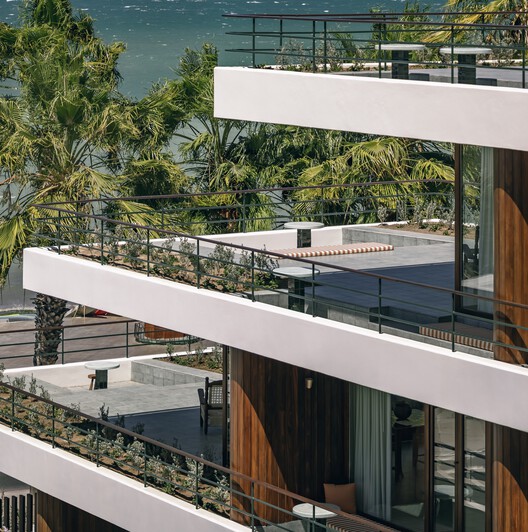
Wood naturally absorbs and releases moisture, causing it to swell and shrink. This movement can lead to checking, splitting, warping, and stress on joints, while prolonged moisture can cause rot and decay. Therefore, wood for coastal areas must be durable and dimensionally stable.
Effective coastal construction involves smart design and detailing to manage water and allow wood to dry. This includes using appropriate siding profiles, ensuring ventilation and drainage, and employing corrosion-resistant fasteners and coatings.
While good building practices are essential, selecting wood that inherently resists decay and moves less provides an additional layer of resilience. The material itself contributes to the building's ability to withstand the inevitable environmental exposure.
Advances in wood technology offer ways to alter wood's response to the environment. Acetylation, for example, permanently modifies wood at a cellular level, reducing moisture absorption and increasing resistance to rot and decay.
This modification ensures durability is not dependent on surface treatments. Acetylated wood can be finished or left to weather naturally while maintaining its performance, offering greater confidence in coastal applications.
Accoya is a type of acetylated wood designed for coastal environments, offering long-term durability and exceptional dimensional stability. It comes with a 50-year warranty for above-ground use and a 25-year warranty for in-ground or freshwater applications, covering its resistance to rot, decay, swelling, and shrinking.
AI-samenvatting op basis van de bron.
ArchDaily