ArchDaily · Creativity & design
Architects' Preference for Remote Sites Over Local Challenges
Architects often favor designing for remote or unclaimed sites, like Mars or floating platforms, over complex urban issues. This preference stems from a desire for unhindered authorship, free from existing history, ownership disputes, and community negotiations.
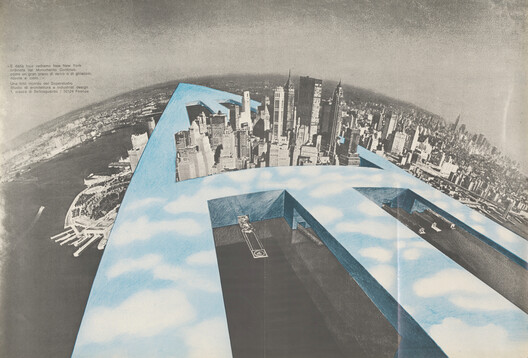
Designing for unclaimed ground is seen as easier due to the absence of prior claimants, history, or tenants, unlike complex local projects.
The allure lies in being the sole author, dictating everything from infrastructure to governance on a blank slate.
Projects like 'The Line' (170km city) exemplify this, but finding truly unclaimed land is difficult.
The Battery Park City flood wall delay highlights the challenges of existing structures and ownership.
While singular authorship isn't new, prioritizing new beginnings over improving existing sites is questioned as avoidance.
The language used for these projects, like 'resilient,' has become commodified, losing its critical weight.
The challenge is redirecting this impulse: does designing for new horizons help understand occupied spaces, or is it an escape?
AI-samenvatting op basis van de bron.
ArchDaily