Mongabay · Natuur
West Africa's Vulture Conservation Plan Faces Implementation Hurdles
Two years after its launch, the West African Vulture Conservation Action Plan (WAVCAP) is struggling to gain traction due to a lack of coordination, funding, and prioritization, experts warn. The plan aims to protect dwindling vulture populations threatened by poisoning for belief-based use, persecution, and habitat destruction.
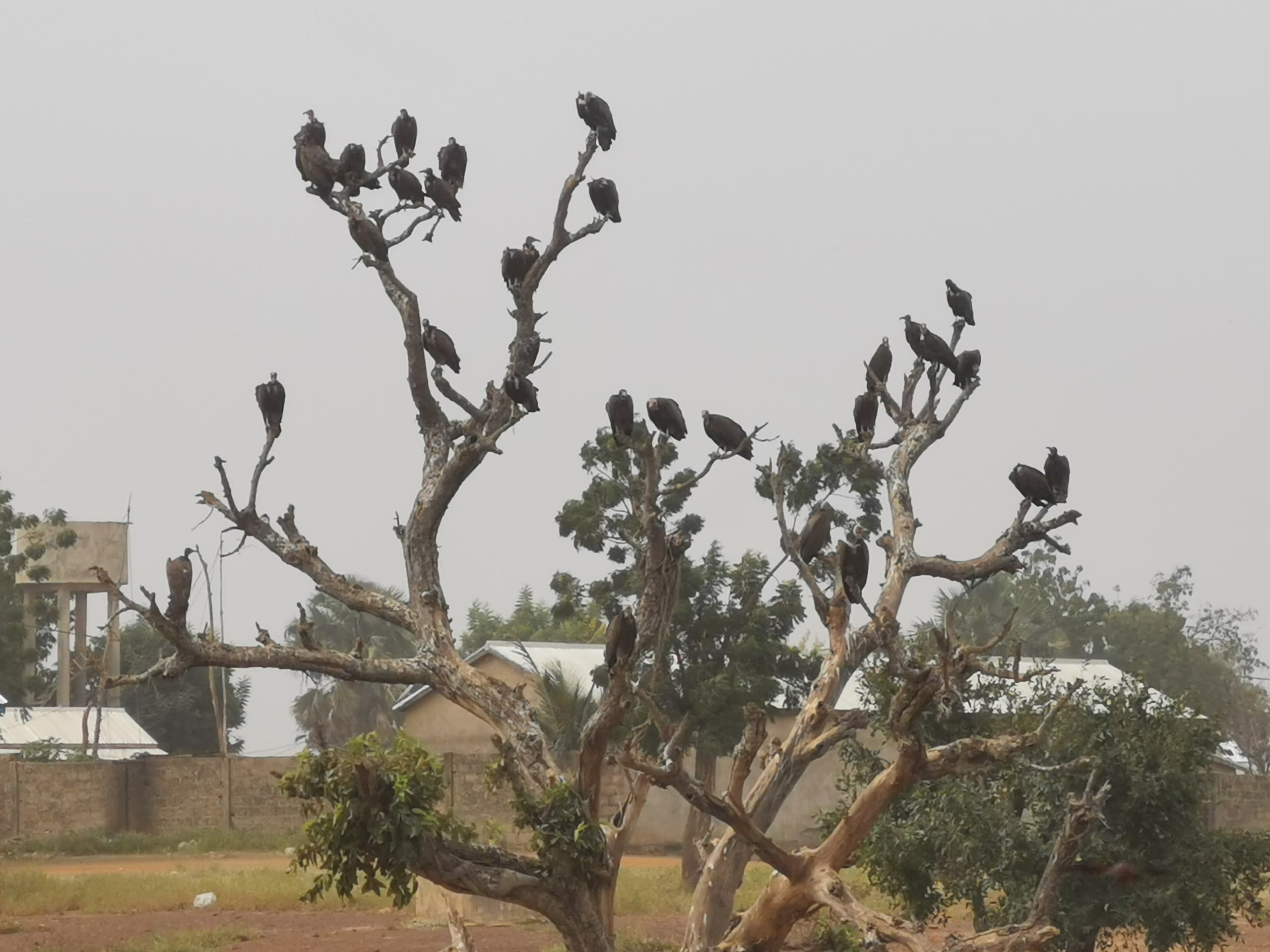
Vulture populations in West Africa are critically endangered, with severe declines observed in countries like Togo and Benin. In Togo, surveys show a sharp drop in hooded vultures, with white-backed vultures presumed locally extinct. Benin remains a major hub for the trade of vulture parts, with hundreds of vultures recorded for sale in markets.
Experts cite a lack of coordination, insufficient funding, and low priority for vulture conservation as key challenges hindering WAVCAP's implementation. The trade in vulture parts is not only impacting West Africa but also affecting Central African countries and other raptor species.
Despite these challenges, conservation efforts, including awareness campaigns around slaughterhouses and engagement with local authorities, show promise in stabilizing hooded vulture populations in Togo. However, sustained commitment and increased resources are deemed essential for long-term success.
WAVCAP's objectives include substantially reducing vulture poisoning by 2029, fostering positive public perception, and recovering vulture populations to sustainable levels by 2040. Research and market surveys have improved understanding of the trade, revealing an increase in belief-based use and the impact on other bird species, such as yellow-billed kites being sold in place of vultures.
The scale of poaching is growing, with poachers seeking birds from further afield as West African populations decline. Poisoning incidents in Chad are reportedly intended to supply markets in Nigeria and Benin, indicating a widening scope of the problem.
Implementing the action plan faces numerous obstacles, including a lack of information on the illegal trade, deeply ingrained cultural practices, poor enforcement of wildlife laws, and insufficient funding. While some progress has been made, such as engaging traditional healers to use herbal alternatives, the problem of belief-based use persists.
A significant hurdle is the lack of substantial government support and funding. Small grants are insufficient for the scale of the problem, requiring more significant financial investment and government leadership. A coordination meeting in November aims to address these issues, with hopes that regional bodies like ECOWAS will play a role.
There are some positive signs, including West African nations backing stronger protections for certain vulture species by listing them on CITES Appendix I. Momentum is also building against wildlife crime generally, with hopes that this will extend to convictions for vulture trafficking.
The decline of vultures poses a significant threat not only to ecosystems but also to public health, as they play a crucial role in disease control. The loss of vultures in India has been linked to a substantial increase in human deaths. Poisons used to kill vultures also harm other wildlife and people.
Translating WAVCAP's objectives into concrete national actions requires coordinated efforts, greater government support, and increased funding. While the plan provides a framework for regional coordination, its success hinges on translating these efforts into tangible actions within each country.
AI-samenvatting op basis van de bron.
Mongabay