Science News · Wetenschap
Was the 'American cheetah' a cheetah at all?
A new analysis of fossilized DNA suggests that the extinct animal known as the 'American cheetah' (Miracinonyx trumani) is more closely related to modern-day pumas than to cheetahs. This finding challenges the long-held assumption that it was a specialized, high-speed predator similar to its African namesake.
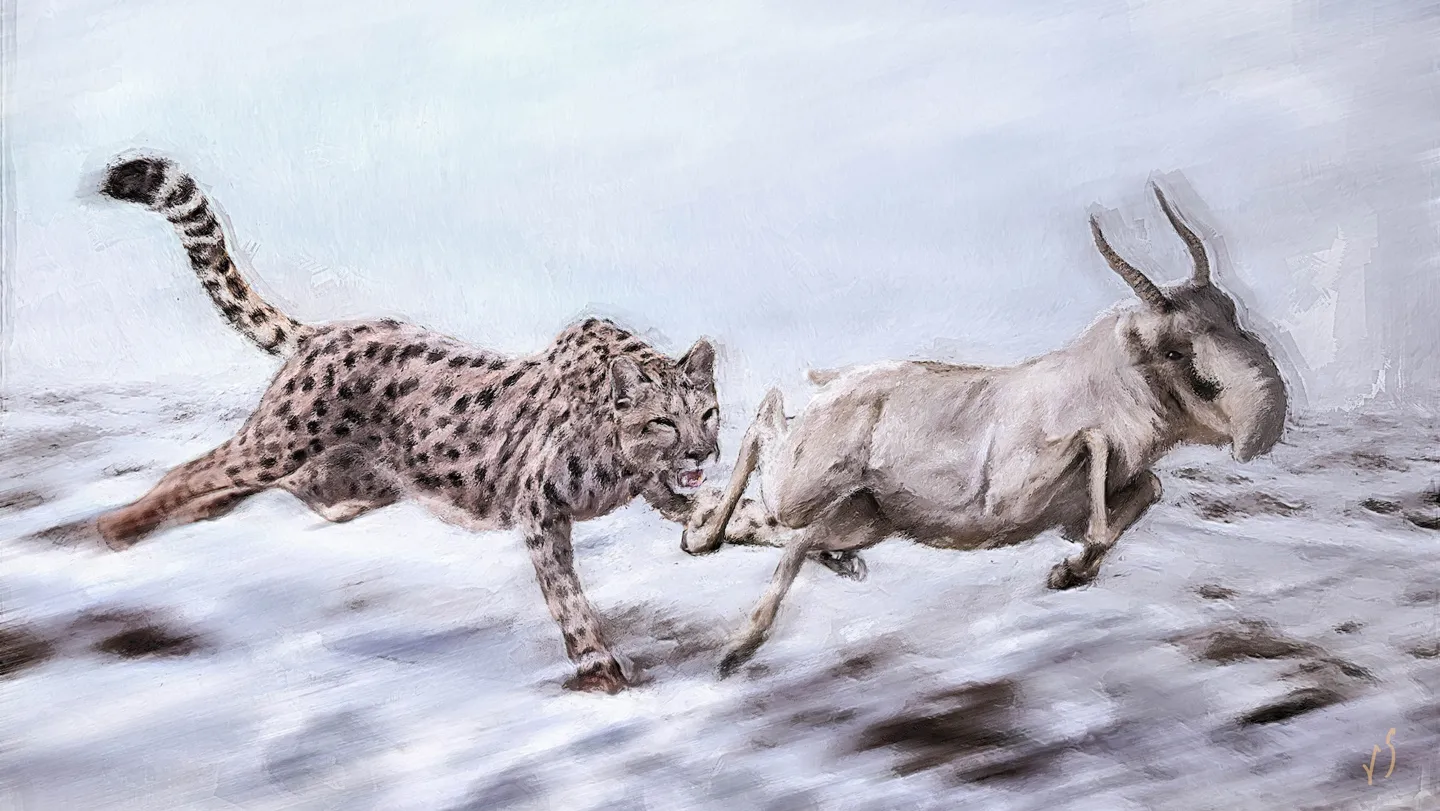
Researchers analyzed ancient genetic material from fossils found in Canada's Yukon Territory and Wyoming. The genetic data revealed that the closest living relatives of Miracinonyx trumani are pumas, with the two species sharing a common ancestor around 2.6 million years ago. In contrast, the split between M. trumani and cheetahs occurred approximately 4.7 million years ago.
The nickname 'American cheetah' implies a predator adapted for chasing fast prey like the American pronghorn. However, the new evidence suggests M. trumani may have been a more flexible hunter, similar to pumas. Chemical analysis of nitrogen isotopes in the fossils indicates that while Wyoming specimens were likely terrestrial carnivores that preyed on herbivores, Yukon specimens may have consumed aquatic animals, possibly fish. This suggests a broader diet and range than previously understood, extending further north into Canada.
The discovery of M. trumani fossils in the Yukon expands the known range of this extinct predator. The chemical clues indicating a potential fish diet for northern populations suggest adaptability in their hunting strategies. This adaptability might have helped them avoid the risks associated with hunting large prey, such as injuries from failed hunts. Further examination of more specimens across its range could provide a clearer picture of the 'American cheetah's' true ecological flexibility.
AI-samenvatting op basis van de bron.
Science News