ArchDaily · Creativity & design
Architecture and the Politics of Waste
Landfills, often created from urban periphery marshlands, represent a significant act of territorial production, built from the residue of daily life. Architecture must consider what cities build under.
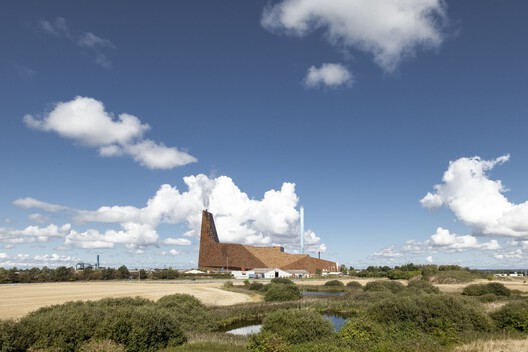
Fresh Kills Landfill, established in 1948, became the world's largest, covering 2,200 acres. It is now being transformed into a park, with methane captured for energy, re-imagining consumption as ecological engineering.
Globally, municipal solid waste generation is projected to rise from two billion tonnes annually to three and a half billion by 2050. Landfills are a common method of waste disposal.
Modern landfills are engineered to prevent contamination. However, this conceals the political decision of which land is used for waste, often favoring peripheral areas with less powerful communities.
In many parts of the Global South, over ninety percent of municipal solid waste is disposed of in open dumpsites or burned, lacking regulated infrastructure.
The concept of 'waste colonialism' describes the export of waste from wealthy to lower-income countries, externalizing environmental costs and leading to displacement.
International efforts like the Basel Convention aim to regulate hazardous waste trade but remain unfulfilled. Following China's 2018 policy, waste exports rerouted to Southeast Asia and Ghana.
Agbogbloshie in Accra, Ghana, is a major e-waste dump. Its demolition was likened to colonial logics of urban hygiene. Landfills serve as records of consumption, prompting questions about the systems that necessitate them.
AI-samenvatting op basis van de bron.
ArchDaily