Dezeen · Creativity & design
Neurodiverse Design Often a Marketing Tactic, Not Genuine Inclusion
Interior design is increasingly incorporating "neurodiverse design" principles, but many manufacturers are accused of using it as a marketing ploy rather than a genuine effort towards inclusivity.
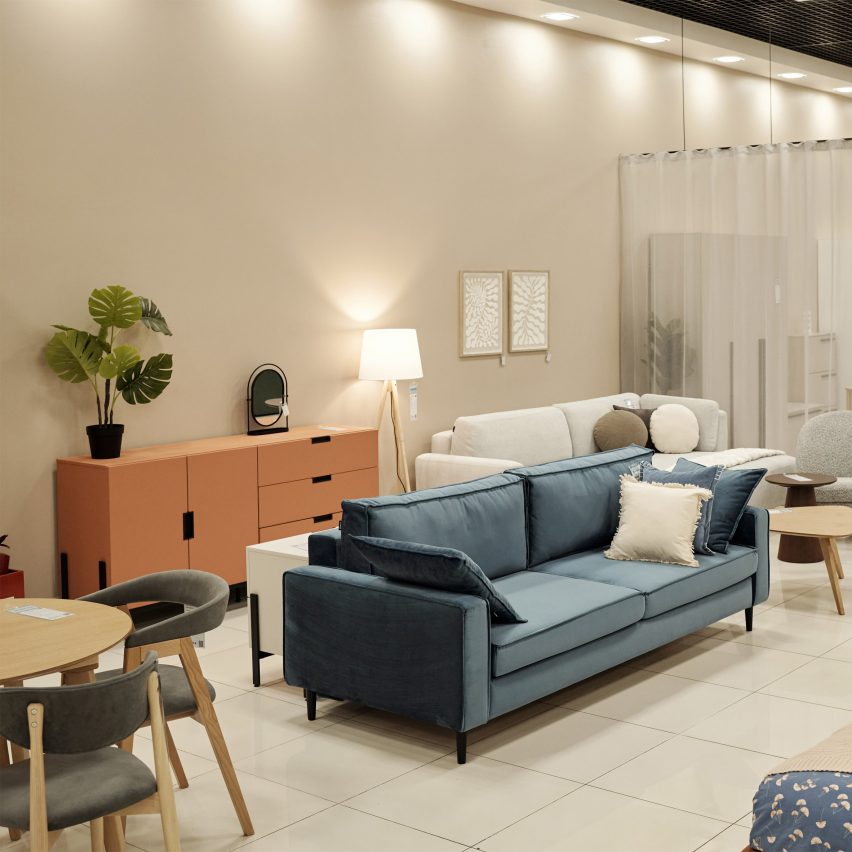
Neurodiversity affects 15-20% of the population. While awareness is growing, the interior design industry's response is often superficial, with manufacturers accused of using "neurodiverse design" as a marketing ploy.
Brands claim products cater to sensory needs, offering color options. However, the author questions sincerity, suggesting it's more about exploiting a market gap than genuine well-being commitment.
A common approach highlights furniture soothing overstimulation or energizing lethargy. One example involved a showroom installation linking sensory needs to a new vinyl tile collection.
The author criticizes overemphasis on color, ignoring other impacts like claustrophobia from lights or distraction from complex furniture.
Many "neurodiverse-friendly" products are repackaged existing collections. This indicates a lack of care and continued profit-seeking from industry conversations.
Designers should look beyond surface claims, investigating brands' history and designer involvement with neurodivergent individuals.
The current surge of overpromising products risks disappointing users. The field remains understudied, with efforts falling short of complex needs.
AI-samenvatting op basis van de bron.
Dezeen