Science News · Wetenschap
Tiny tremors can’t always warn when fracking will trigger a bigger quake
A new study analyzing a decade of seismic data from Alberta, Canada, reveals that while 92 percent of earthquakes induced by fracking are preceded by smaller foreshocks, there are significant uncertainties about their occurrence and predictive power. This suggests that foreshocks, while useful for short-term warnings, may not always reliably prevent larger, unexpected seismic events.
Analyses of seismic data from Alberta’s Western Canada Sedimentary Basin show that 92 percent of earthquakes induced by fracking were preceded by smaller foreshocks. However, researchers note lingering uncertainties about why and how these foreshocks occur, meaning they may produce both false positive and false negative earthquake predictions.
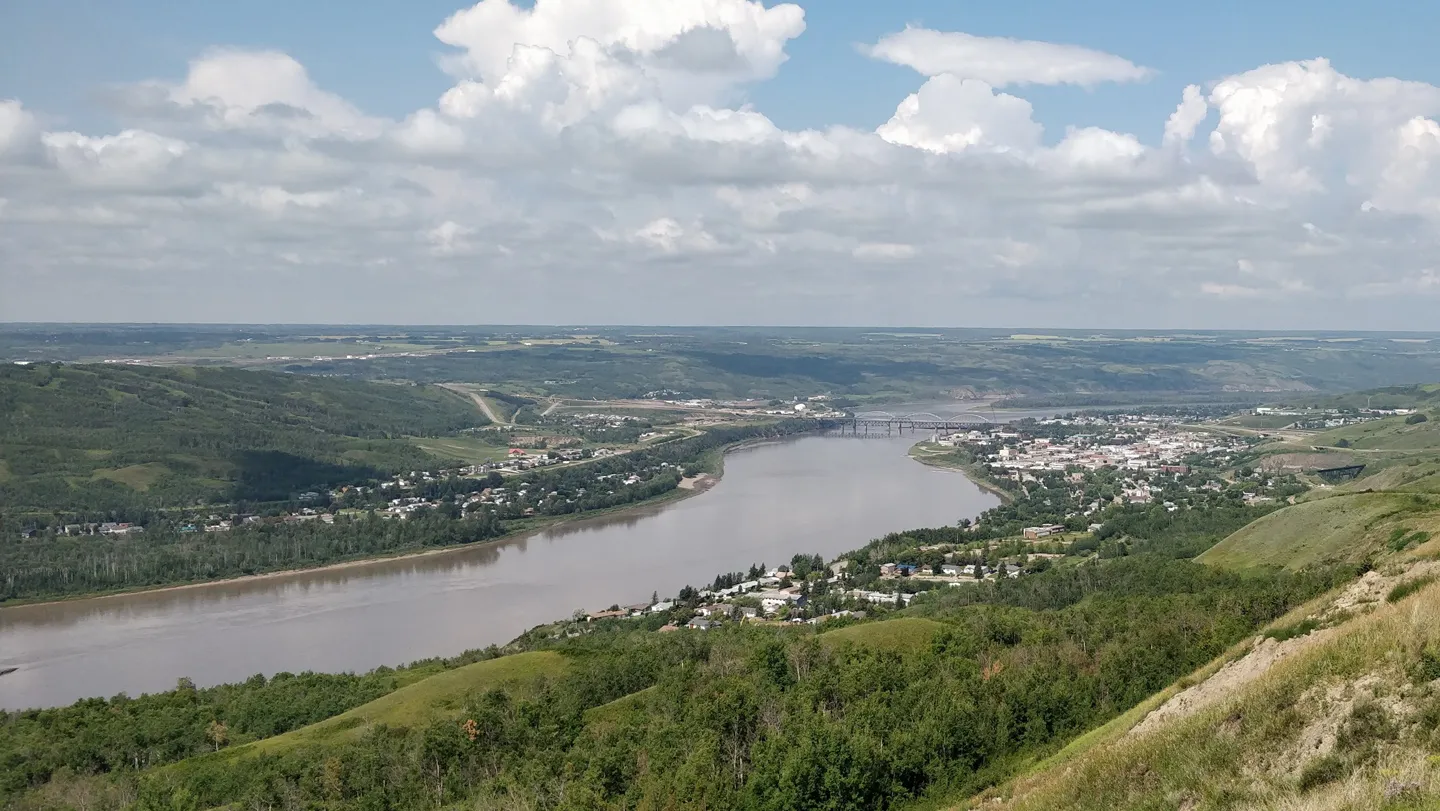
Human activities involving injecting fluids into the ground, such as fracking, enhanced geothermal energy, or wastewater disposal, have been shown to trigger earthquakes. While most are small, some human-caused quakes can be powerful enough to affect nearby communities, like a magnitude 5.6 quake in 2022 initiated by wastewater injection near Peace River, Canada.
Regulatory agencies use a “traffic-light protocol” to manage this seismic hazard, where operations halt on a yellow light (suggesting a potentially damaging quake) to ideally avoid a red light. Small foreshock quakes are the primary indicator for operators to hit the yellow light. However, the understanding of what causes foreshocks and how often they reliably precede a mainshock remains limited.
Wang and his team analyzed seismic data from western Canada (2014-2024), identifying 77 mainshocks of at least magnitude 3 linked to fracking. Foreshocks occurred before 71 of these (92 percent). While this suggests most events provide a warning, 8 percent of the time there was no warning, skipping directly to the mainshock. The frequency of foreshocks also varied greatly, from a single quake to hundreds.
The researchers propose three potential mechanisms for how fluid injection might lead to foreshocks and then mainshocks: progressive weakening of a main fracture, increased strain leading to sudden failure, or a domino effect of slip on multiple fractures. These remain hypotheses, and different geological systems may have different triggering mechanisms.
Improving understanding requires open access to seismic and pumping data collected by companies, which is not always guaranteed. This study highlights flaws in the traffic-light protocol, particularly the possibility of jumping from green to red without warning, and quantifies how often these jumps occur and what physical processes might be related. Defining unacceptable risk levels is also crucial for setting appropriate shutdown thresholds.
AI-samenvatting op basis van de bron.
Science News