ArchDaily · Creativity & design
The Right to Be Naive: Architecture's New Stance
Post-2008, small architectural practices adopted a "naïve architecture" stance, rejecting overconfidence. This isn't a lack of theory but a conscious choice to practice idealism, questioning the line between post-irony and marketing.
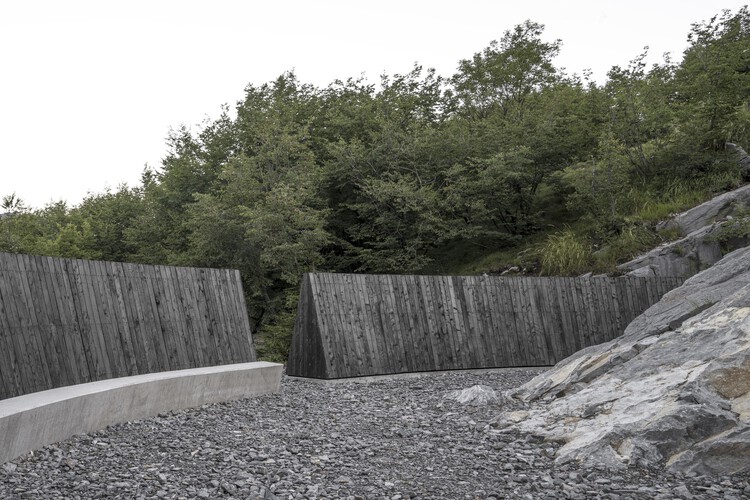
This "naivety" is a theory with hidden idealism, a choice to act otherwise despite knowing better. It questions where post-irony ends and marketing begins.
Echoing Romanticism and metamodernism, it's "informed naivety"—idealism from those who know better but act as if they don't. It rejects the profession's previous heroic register.
Unlike the 2008 Parametricist Manifesto's complex forms, these offices embraced simpler scales and visible hand-drawn lines, often with limited budgets.
Practices like aoa architects, Comte/Meuwly, Point Supreme, and Bovenbouw focus on the everyday and modest assemblies, resisting spectacle.
Connected by global visual economies, their naivety is knowledge that declines to perform itself, not a shared style or geography.
This reluctance to sound certain is a reaction to pre-crash overconfidence. Whether it survives institutional legitimacy is still being answered.
AI-samenvatting op basis van de bron.
ArchDaily