The Optimist Daily · Health
Orexin Neurons and Motivation
Researchers have identified orexin-producing neurons in the hypothalamus as potentially playing a key role in how the brain assesses the value of rewards and sustains effort.
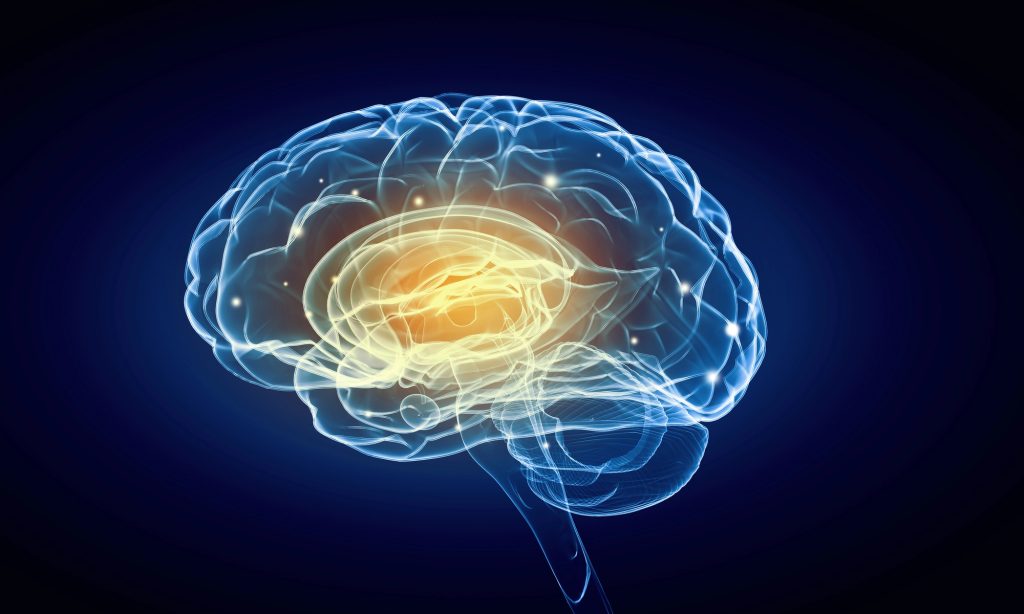
A study published in the Proceedings of the National Academy of Sciences suggests these orexin neurons do more than regulate wakefulness and energy; they may track the real-time relationship between effort and expected payoff. Experiments using rats showed that activating orexin neurons increased their effort for food rewards, while suppressing them led to them quitting sooner.
Real-time monitoring indicated orexin activity rose before a reward and fell afterward. When a reward was expected but absent, activity remained elevated. The harder the task, the stronger the orexin response, suggesting these neurons gauge task difficulty in relation to incentives.
Interestingly, increasing orexin neuron activity did not boost motivation, but decreasing it did reduce motivation. This asymmetry suggests orexin neurons may establish a baseline for sustained action rather than directly increasing effort.
While this research was conducted in rats, humans also possess an orexin system. The findings could offer insights into motivation disorders seen in conditions like depression and addiction, though human studies are needed.
The researchers plan to map the neural circuits connected to orexin neurons to understand what influences their activity.
AI-samenvatting op basis van de bron.
The Optimist Daily