Hackaday · Creativity & design
Atlantic Nuclear Waste Dumps Now Serve as Ecosystem Habitats
Researchers have investigated the condition of thousands of barrels of radioactive waste dumped into the Atlantic Ocean between 1950 and 1990.
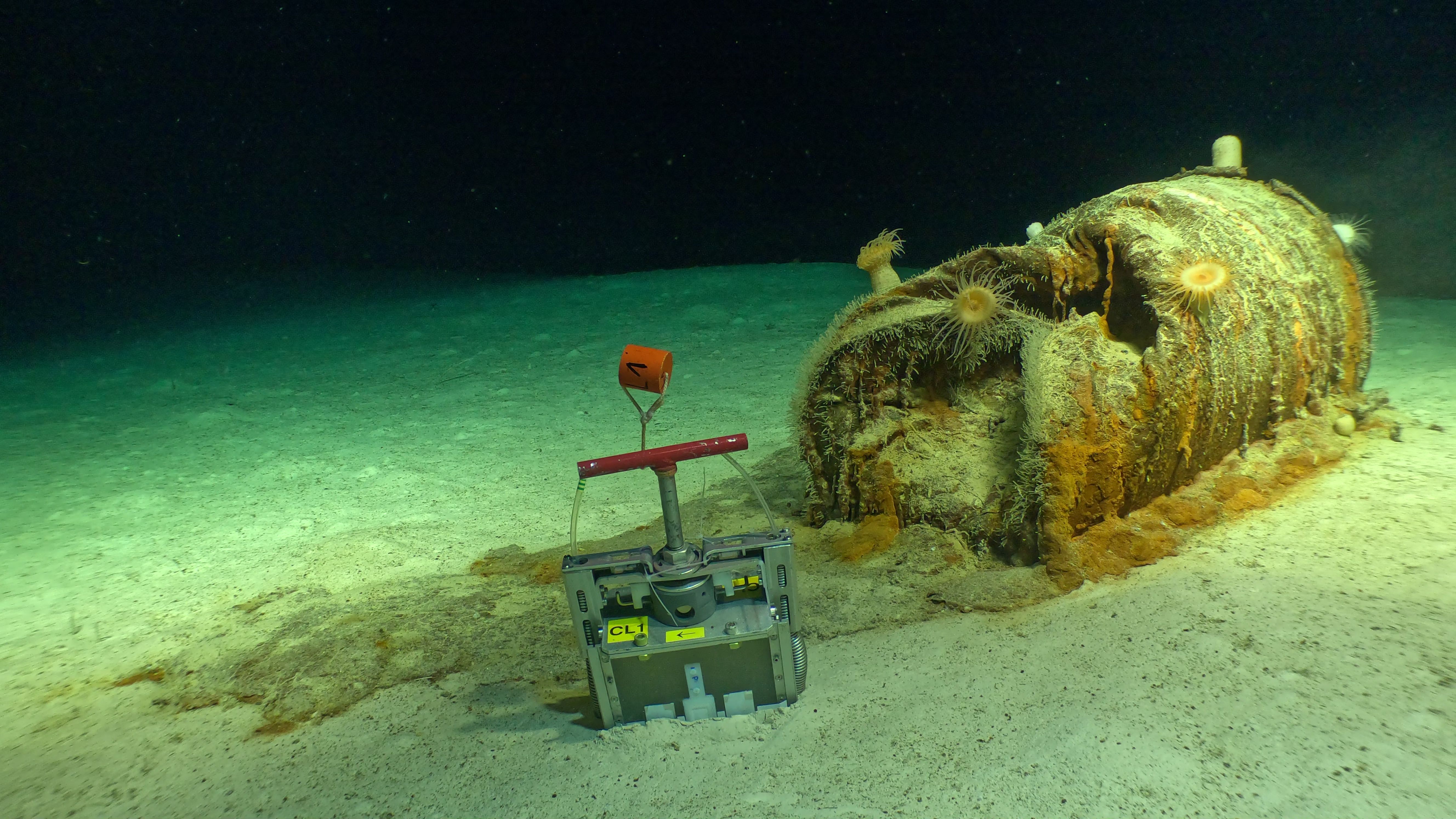
The study focused on low- and intermediate-level waste (LLW and ILW) from hospitals, labs, and industries, which constitutes the majority of nuclear waste. Disposal methods included landfilling, incineration, and ocean dumping, with LLW and ILW often encapsulated in cement or bitumen and placed in barrels.
The Radiocean mission aimed to map dump sites, identify ecosystem elements, and measure radioisotope levels and their effects. Findings indicate that while barrels have degraded and contents are leaking, local ecosystems have adapted, using the sites as shelters.
This adaptation is not entirely surprising given the natural presence of radioactive materials in seawater. The introduction of non-natural isotopes is undesirable, but the haphazard disposal of LLW and ILW appears to have resulted in the dump sites functioning as artificial reefs for marine life.
AI-samenvatting op basis van de bron.
Hackaday