The Optimist Daily · Health
Herbs and Spices for Immune Support
Six common herbs and spices—turmeric, garlic, ginger, oregano, basil, and rosemary—contain compounds that can support immune function through antioxidant, anti-inflammatory, and antimicrobial effects. While not a replacement for sleep, exercise, or a balanced diet, they can be a beneficial part of cooking.
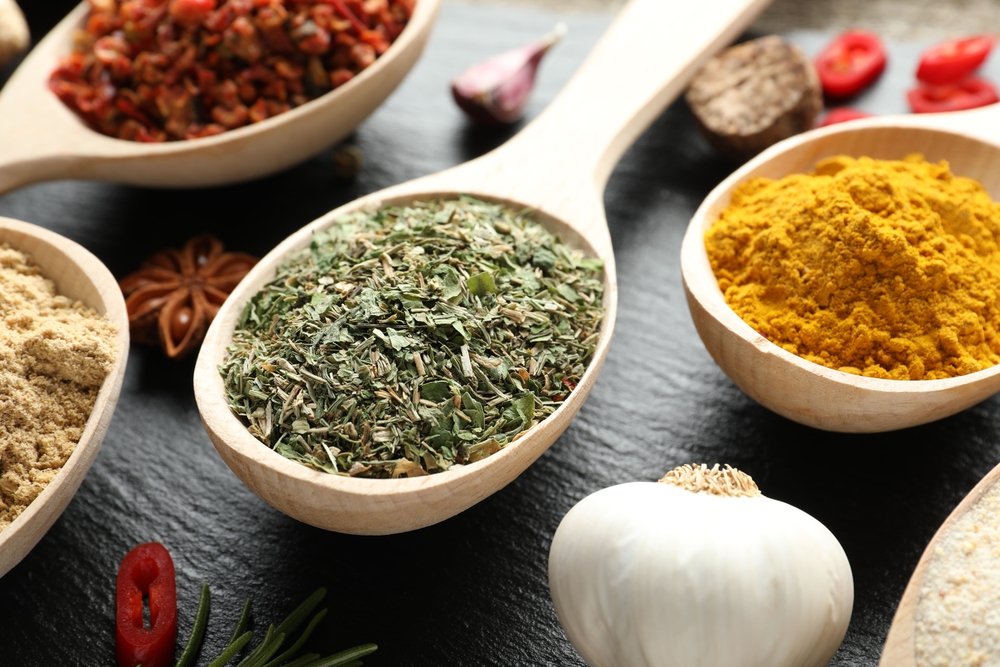
Turmeric's immune benefits stem from curcumin, which supports T cells, B cells, and macrophages. It also lowers inflammatory chemicals. To improve absorption, combine turmeric with black pepper, which contains piperine.
Garlic's allicin offers antifungal, antibacterial, antiviral, and antimicrobial properties, aiding in fighting infections. It also acts as a prebiotic, supporting gut health, which is linked to immune function.
Ginger contains gingerol, providing anti-inflammatory and antioxidant effects that protect immune cells and enhance their response to pathogens. Studies show it can increase the responsiveness of neutrophils.
Oregano contains carvacrol, thymol, and rosmarinic acid, which have shown protection against viruses and bacteria in lab studies and limit inflammatory substances.
Basil offers compounds like apigenin and linalool with antiviral properties, plus vitamins A and C. Quercetin in basil aids zinc absorption, and anthocyanins support a balanced gut microbiome.
Rosemary contains linalool, carnosic acid, and rosmarinic acid, offering antimicrobial, anti-inflammatory, and antioxidant benefits. Carnosic acid also helps the body produce glutathione, a natural antioxidant.
Fresh herbs generally have more antioxidants and anti-inflammatory compounds, while dried herbs offer more concentrated minerals and essential oils and have a longer shelf life. Both can be used effectively.
AI-samenvatting op basis van de bron.
The Optimist Daily