designboom · Creativity & design
The Flâneur: Birth of the Modern Urban Spectator
19th-century Paris's transformation into a city of observation gave rise to the flâneur, an urban observer engaged with its transient nature.
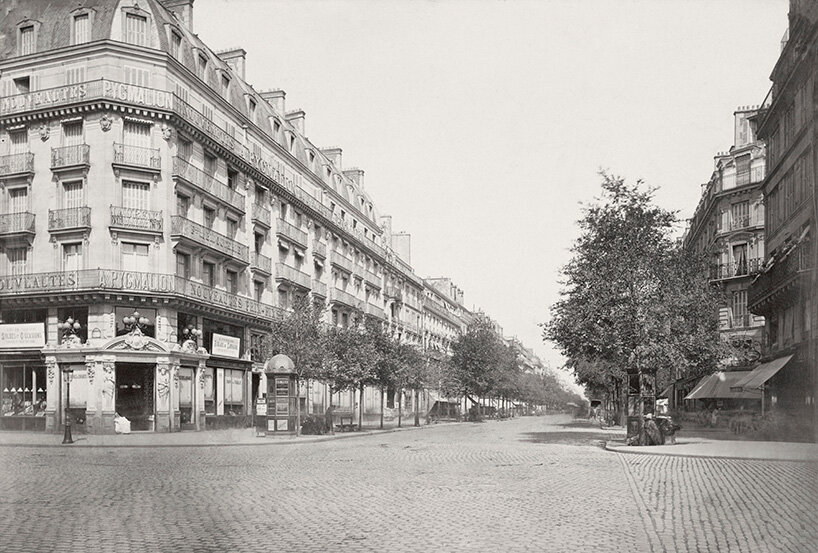
New Parisian streets, arcades, and stores shifted walking to observation. Arcades brought the street indoors, encouraging people-watching.
Haussmann's boulevards and department stores enhanced this. Wider streets offered views, while shop windows invited engagement with goods.
Baudelaire saw the flâneur as a 'passionate spectator' of modern life, finding meaning in fleeting urban moments and everyday encounters.
The flâneur's freedom was privileged. Time and anonymity were not equally available, especially to women and the working class.
Walter Benjamin viewed Parisian arcades as microcosms of modern life, blending public movement and commercial display.
Benjamin noted how urban spectatorship is tied to consumerism. The city is designed to attract attention, implicating observers.
The flâneur evolved into the modern spectator via media. Today, observers also produce images, making urban experience collective and digital.
AI-samenvatting op basis van de bron.
designboom