EPFL · Science
Scientists Create First Detailed Map of Lipids in Mouse Brain
EPFL researchers have developed the first comprehensive atlas of lipids in the mouse brain, revealing over 500 distinct biochemical zones and how these patterns change during pregnancy. This new map addresses a significant gap in neuroscience, as lipids, crucial for cell membranes and signaling, have been difficult to study with traditional methods.
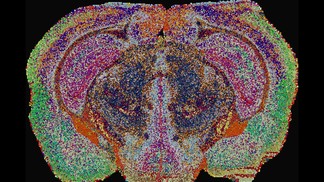
The Lipid Brain Atlas, created using mass spectrometry imaging and machine learning, identifies 539 "lipizones" with unique lipid signatures. These zones often align with known brain anatomy but also reveal connections between distant brain regions, acting like "postal codes" for the brain. The study, published in Nature, found unexpected chemical diversity within the brain's white matter and its fluid-producing tissues.
The research also tracked lipid changes in pregnant mice, observing significant shifts across many brain regions, exceeding typical male-female differences. The cortex showed substantial reshaping, and myelin-related lipids increased notably, suggesting the brain adapts its lipid composition to the physiological demands of pregnancy.
The Lipid Brain Atlas is now publicly accessible, providing a new resource for studying brain development, aging, and diseases like depression and Alzheimer's. Researchers emphasize that the methodology and the understanding of organized lipid mapping are transferable to human studies, offering a new perspective alongside genetic and cellular data.
AI-samenvatting op basis van de bron.
EPFL