ArchDaily · Creativity & design
The Evolution of the Office Chair
Office chairs have evolved with workplaces, from basic seats to ergonomic designs. Recent advancements integrate AI and sensors for personalized seating.
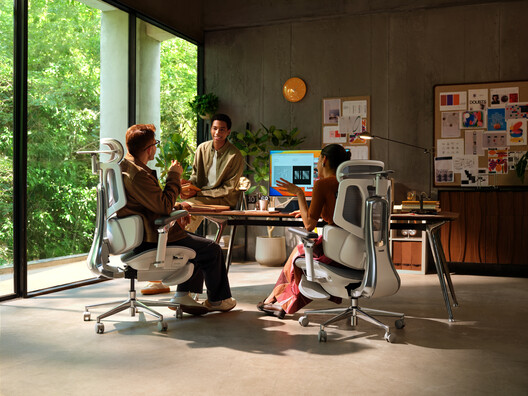
Early chairs were fixed wooden seats for clerical work. By the 1980s, computers led to ergonomic designs with adjustable height and lumbar support. Mesh materials later improved breathability.
Chair evolution reflects workplace changes, from cubicles to home offices. Contemporary chairs accommodate diverse seated activities, expanding ergonomics beyond single postures.
Newer chairs embed technology. The HBADA X7 uses sensors and a motorized lumbar mechanism to auto-adjust support based on posture, integrating technology invisibly.
This mirrors architectural trends where systems are concealed. Embedded sensors and automated mechanisms in chairs aim to reduce manual adjustments while retaining user control.
The HBADA X7 has a motorized lumbar structure for auto-adjustment, complementing manual settings. This responsive seating maintains lower back contact as users shift positions.
Despite ergonomics, prolonged sitting has risks. Responsive seating supports postural changes with features like adjustable headrests and armrests, and a 140-degree recline.
Material innovation continues. The HBADA X7 adds comfort with ventilation, temperature management, massage, and heating, alongside advanced ergonomic adjustments.
AI-samenvatting op basis van de bron.
ArchDaily