Hackaday · Creativity & design
Robot-Assisted CPR Devices: A Closer Look
Medical devices like the LUCAS chest compression system assist in cardiac arrest by performing chest compressions, maintaining blood flow while professionals address the underlying issue.
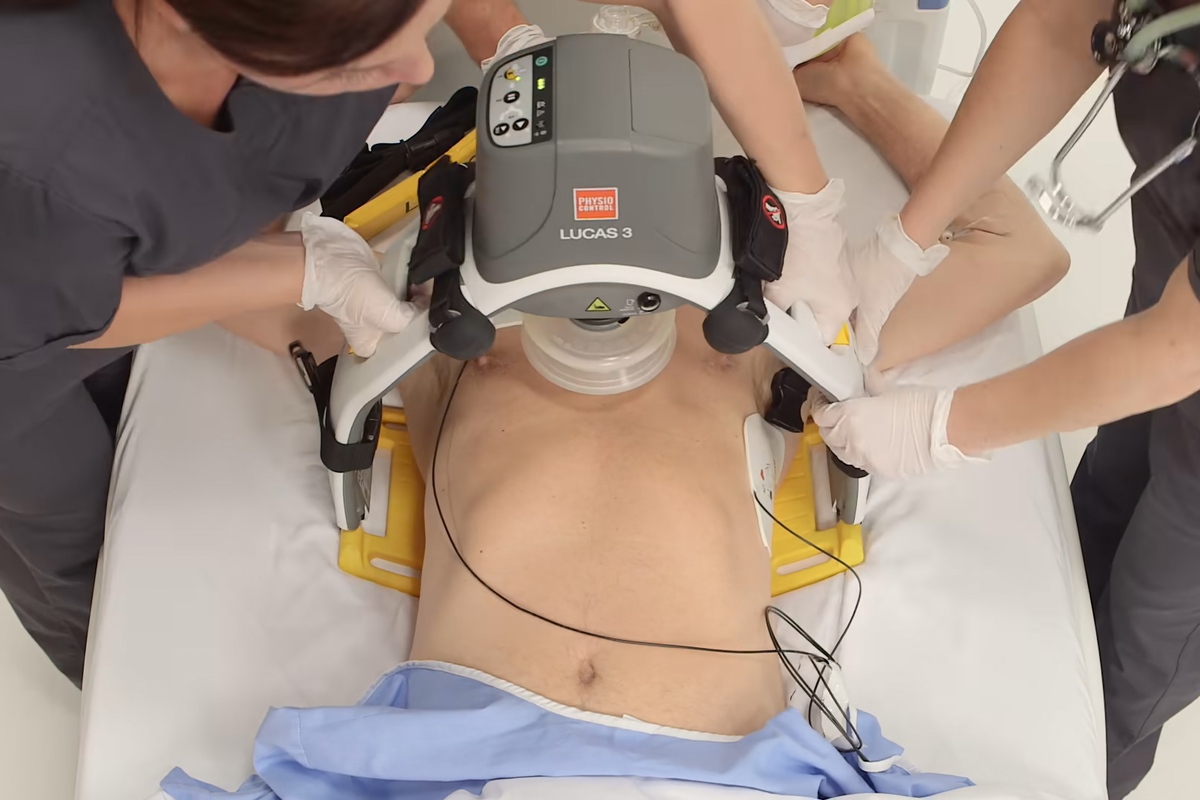
These devices provide continuous, demanding chest compressions, a task difficult for humans to sustain without fatigue. Current guidelines recommend 100-120 compressions per minute at a specific depth.
The LUCAS system, evolving from pneumatic to electric power, uses a motor to drive a piston. Its consistent rate and depth offer advantages over human fatigue and free up medical personnel.
A key benefit is maintaining compressions during patient transport, challenging with manual CPR. However, trials like PARAMEDIC and LINC did not show a survival benefit over high-quality manual CPR.
While not superior for routine use, mechanical CPR devices are valuable when sustained manual compressions are impractical or risky. Setup time, requiring a brief interruption, is a factor.
Some studies suggest potential links to increased internal chest injuries, and rare device malfunctions have occurred. Guidelines advise against routine mechanical CPR but acknowledge its utility in specific situations.
Other devices, like ZOLL's AutoPulse and Germany's corpuls cpr, offer alternative mechanical approaches. These systems aim to provide consistent support during critical cardiac events.
AI-samenvatting op basis van de bron.
Hackaday