Hackaday · Creativity & design
Sony's Unique SMC-70 Computer
In 1982, Sony entered the burgeoning desktop computer market with the SMC-70, a machine notable for its distinctive design and features.
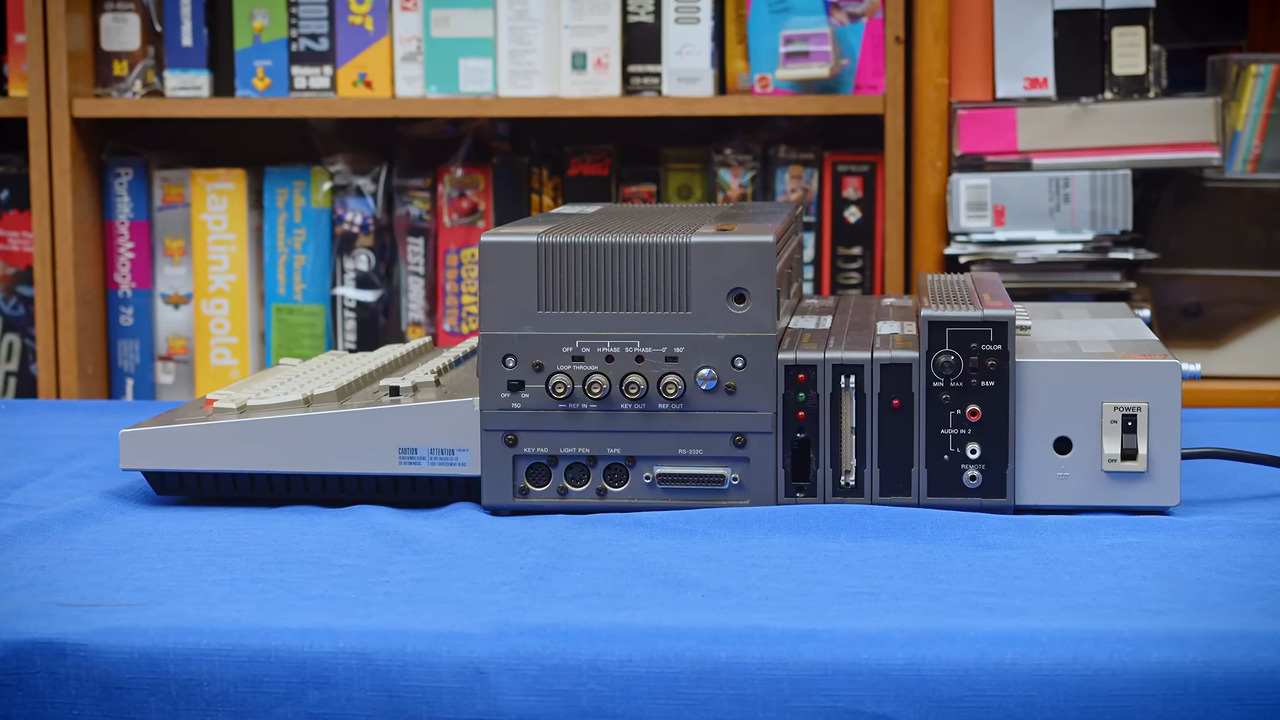
The SMC-70 featured a unique modular expansion system where users connected components using a skewer-like mechanism, allowing for vertical or horizontal stacking via cables, unlike the internal card-based systems of competitors like the Altair or IBM PC.
Technically, the SMC-70 was a CP/M machine powered by a 4 MHz Z-80 processor, which was standard for the time. It did, however, include 3.5-inch floppy drives, which were less common on CP/M systems.
A standout feature was its 16-color graphics system, considered advanced for 1982, along with some sound capabilities. Its video output module also leveraged Sony's expertise in display technology.
An optional 8086 module was released late and could run CP/M-86 but not MS-DOS.
The computer included user-friendly elements like a dedicated red help button on the keyboard and a RAM disk mode, though the latter was susceptible to power outages.
While Sony produced many computers, the SMC-70's innovative expansion and graphics set it apart in the early desktop market.
AI-samenvatting op basis van de bron.
Hackaday