Smithsonian Magazine · People & society
Two New Sea Spider Species Discovered in Pacific Northwest
Researchers have identified two previously unknown species of sea spiders in the Salish Sea, located along the Pacific Northwest coast of North America. These discoveries highlight the potential for new species to be found even in well-studied areas.
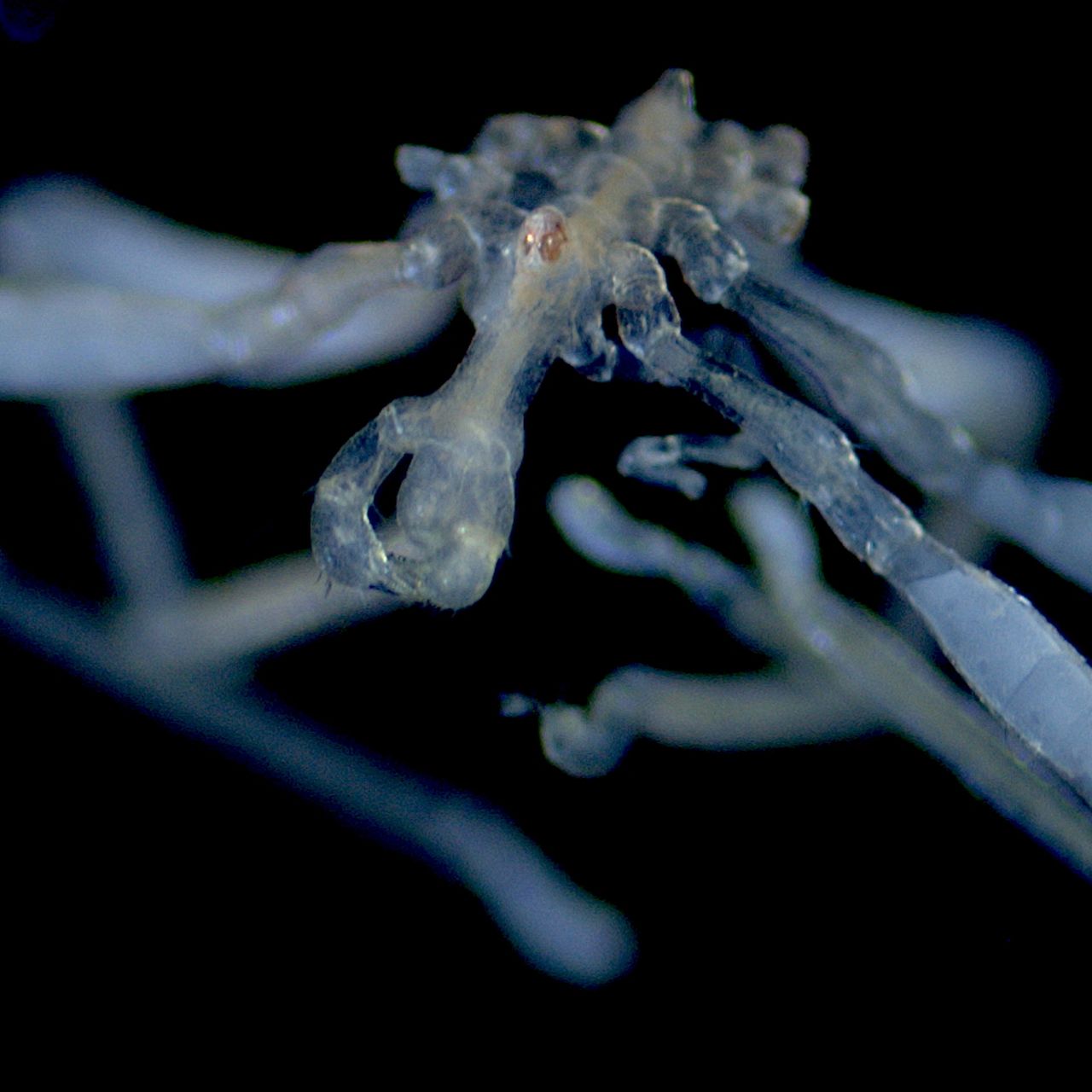
The new species were found during dives between September 2023 and August 2024 at depths up to 60 feet. After examining physical traits and DNA, scientists confirmed two of the five identified sea spider species were new to science.
One new species, named Callipallene pilosuspedes, is characterized by red eyes, a clawed feeding tube (proboscis), a sensory tendril-covered mouth, and spiny legs. The researchers found only one specimen of this species.
The second new species, Tanystylum kiixin, is described as resembling a "swamp monster" due to underdeveloped egg-carrying limbs that prevent self-cleaning, often leaving them covered in debris and parasites. Eighty-two individuals were found.
Sea spiders, which evolved around 500 million years ago, are marine arthropods related to land spiders. They often lack abdomens, with organs distributed in their legs, and many shallow-water species are small parasites that feed by sucking juices from hosts using their proboscis.
Both newly discovered species were found near hydroids, which are sessile, jellyfish-like organisms, suggesting they likely prey on these stationary animals.
The discovery underscores the vast, undocumented diversity of marine invertebrates and the urgency of documenting them before environmental changes impact these ecosystems. Scientists noted that finding new species is uncommon but possible even in accessible locations.
AI-samenvatting op basis van de bron.
Smithsonian Magazine