Mongabay · Climate & nature
Cloning Wild Fruit Trees to Combat Deforestation in Southern Africa
Researchers are cloning valuable wild fruit trees in Southern Africa to preserve biodiversity and provide food security amidst widespread deforestation.
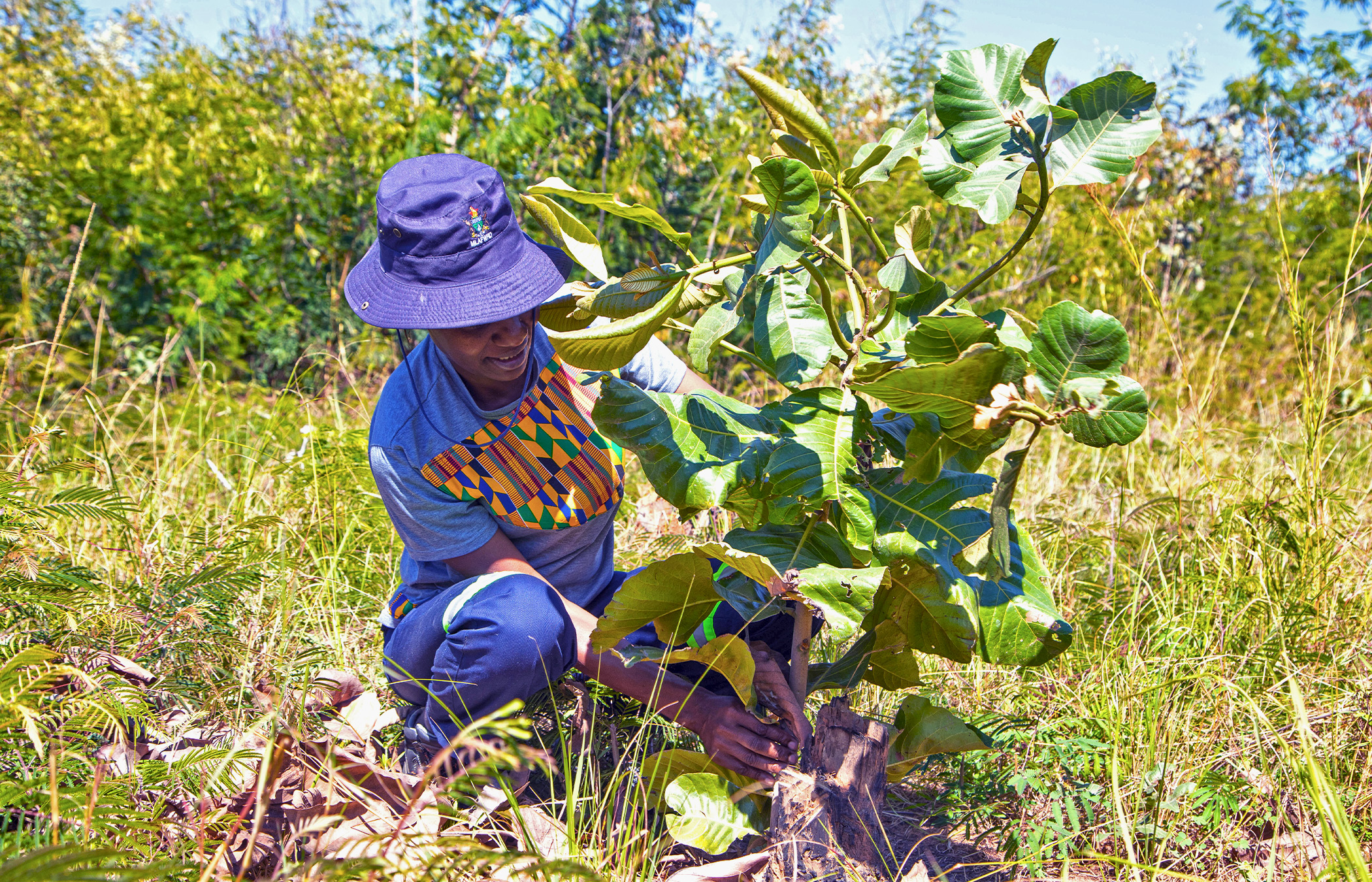
Researchers are cloning indigenous fruit trees like the wild loquat to protect biodiversity and food sources as miombo woodlands face deforestation. These woodlands host at least 75 edible fruit tree species.
Miombo woodlands have lost over 500,000 sq km (22% of cover) between 2000-2023 across eight countries, with Malawi and Zimbabwe severely affected.
Wild loquats, vital for income and nourishment, are threatened by logging for wood and charcoal, despite their importance to communities.
Techniques like "air layering" and grafting are used to speed up fruit production in cloned trees, reducing maturation time from 17 years to 4-5 years.
Field gene banks store duplicates of superior trees, acting as vital ex-situ conservation sites, especially after destruction incidents.
Efforts also target other species like marula and mobola plums to create sustainable food sources and preserve genetic information.
Sustainable funding and security for gene banks are crucial for continuing conservation work and ensuring the survival of these important trees.
AI-samenvatting op basis van de bron.
Mongabay