Mongabay · Climate & nature
Kelp Restoration Project Underway in Clayoquot Sound
A large-scale kelp restoration project has been launched in Clayoquot Sound, British Columbia, combining Indigenous knowledge with scientific methods. The initiative aims to revive declining kelp forests, which are vital for marine ecosystems.
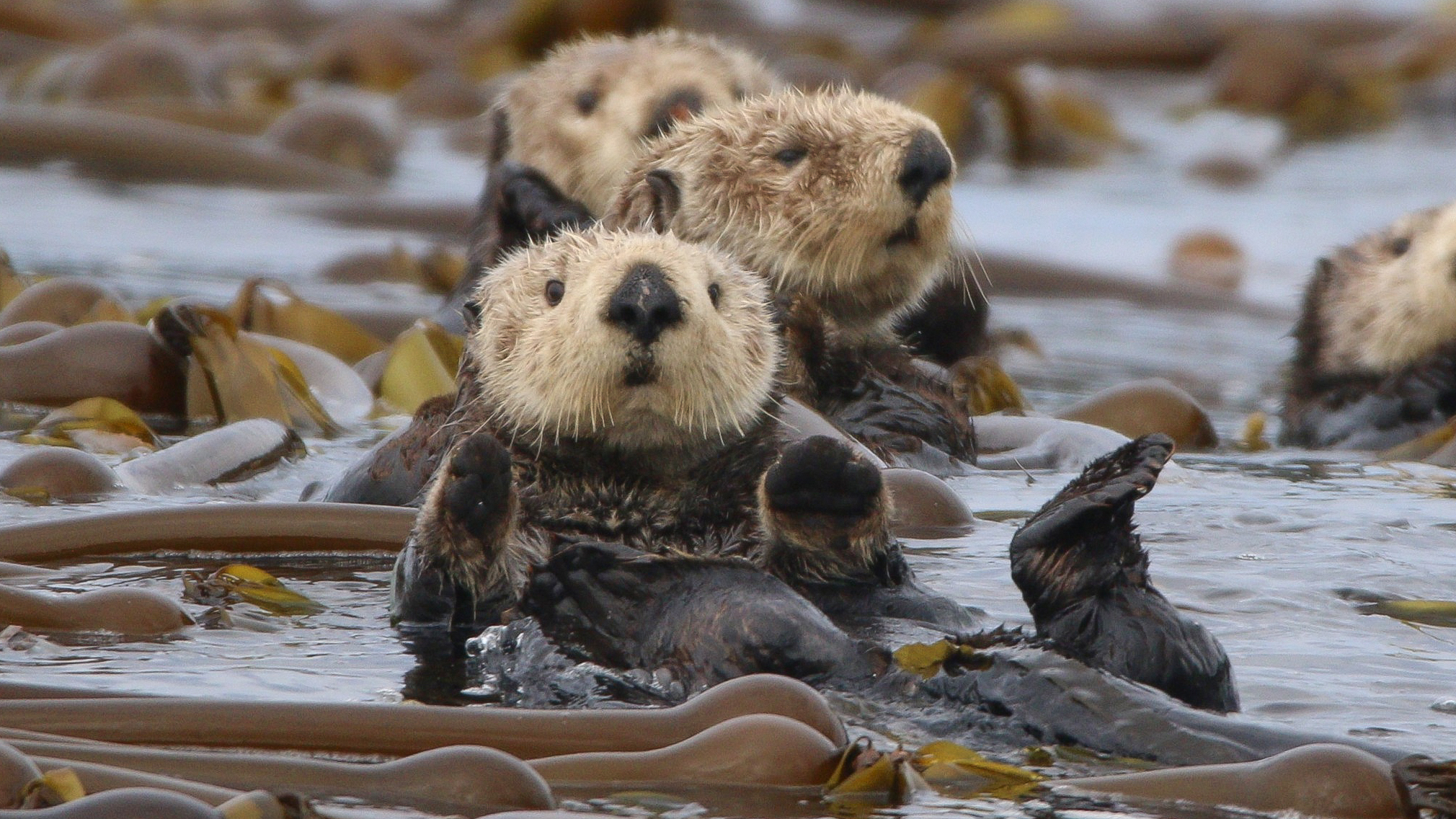
The project, a collaboration between the Tla-o-qui-aht First Nation, Redd Fish Restoration Society, and West Coast Kelp, has planted over 4,200 square meters of new kelp habitat. Baby bull kelp and giant kelp are grown on submerged lines for transplantation.
Funding for the project comes from sources including the provincial government and the World Wildlife Fund of Canada. The initiative seeks to restore ecological abundance and the self-sufficiency of the Tla-o-qui-aht people.
Globally, kelp forests are being lost at an alarming rate, with an estimated 11,542 square kilometers disappearing annually. In British Columbia, kelp faces stress from marine heat waves and other factors.
The return of sea otters to Clayoquot Sound aids kelp recovery by controlling sea urchin populations, which consume kelp. Historically, sea otters were hunted to near extinction.
Supporting regional salmon populations is another key objective. Kelp forests provide essential shelter and food for juvenile salmon, and the project plans to transplant kelp into estuaries to benefit them.
Success will be measured through scientific monitoring, including underwater cameras, and by the return of ecological balance. Indigenous knowledge guides the mapping of historical kelp growth areas.
The team has adapted techniques, such as weighing down lines to prevent kelp from growing too close to the surface. The ultimate measure of success is the restoration of a balanced ecosystem.
AI-samenvatting op basis van de bron.
Mongabay