Hackaday · Creativity & design
Chornobyl Corium: Sampling and Cleanup Challenges
Corium, a unique material formed from melted nuclear fuel and reactor components, exists in significant quantities only at the Chornobyl Nuclear Power Plant's No. 4 reactor. Scientists have faced considerable challenges in understanding and sampling this substance.
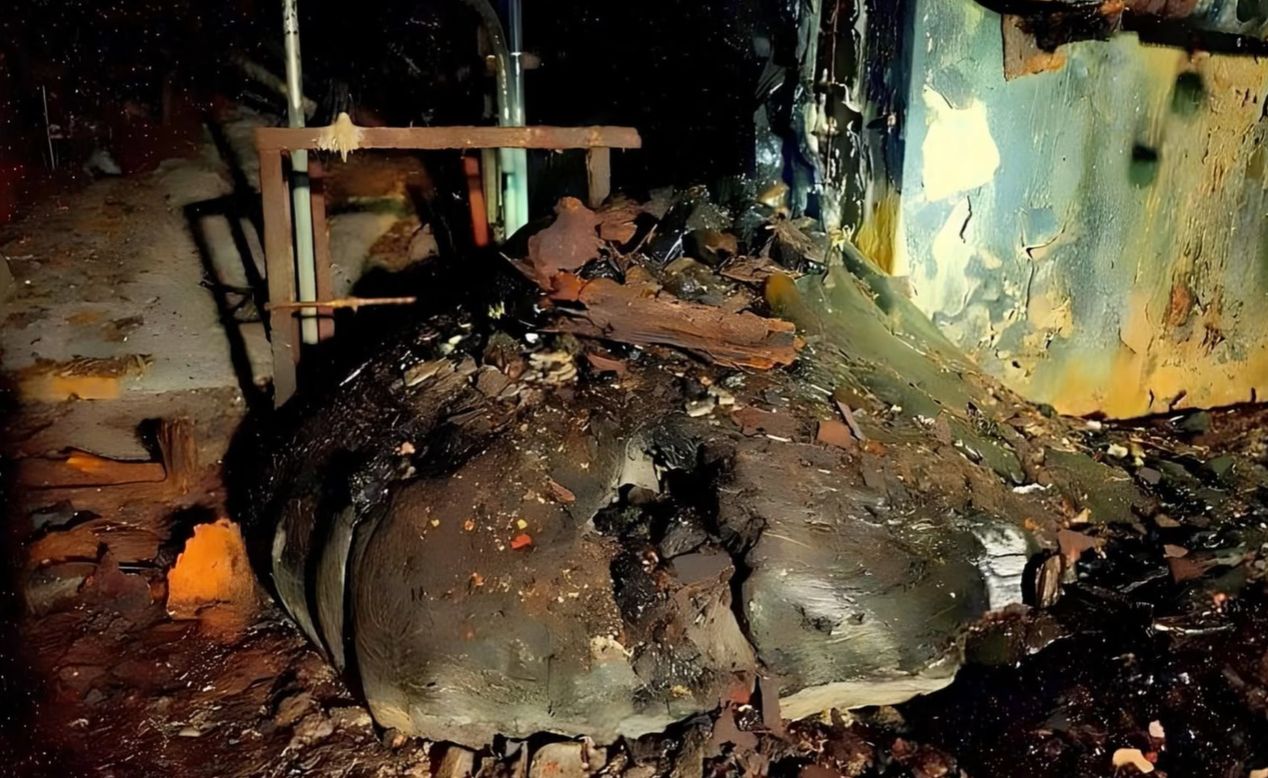
Corium is an amalgamation of nuclear fuel, cladding, and other materials it contacted during extreme heat. Soviet scientists initially resorted to shooting samples, similar to how trinitite was formed from US nuclear weapons tests. The Chornobyl accident's botched test and safety overrides led to a core meltdown and a steam explosion that ejected the reactor lid and caused the molten core to penetrate the concrete below.
The infamous 'Elephant's Foot,' a small part of the total corium mass, was once thought to be lethally radioactive. However, it is now one of the less dangerous exposed corium parts. Repeated sampling, radioactive decay, and weathering have degraded it into a dusty substance.
Future retrieval of corium for disposal is planned using robots to cut into the reactor building's sides. This approach aims to bypass the difficulties faced by Soviet engineers in the 1980s when attempting to sample the material within the destroyed reactor.
AI-samenvatting op basis van de bron.
Hackaday