NASA · Space
Spaceflight Health Risks: Decompression Sickness, VTE, and PFO Implications
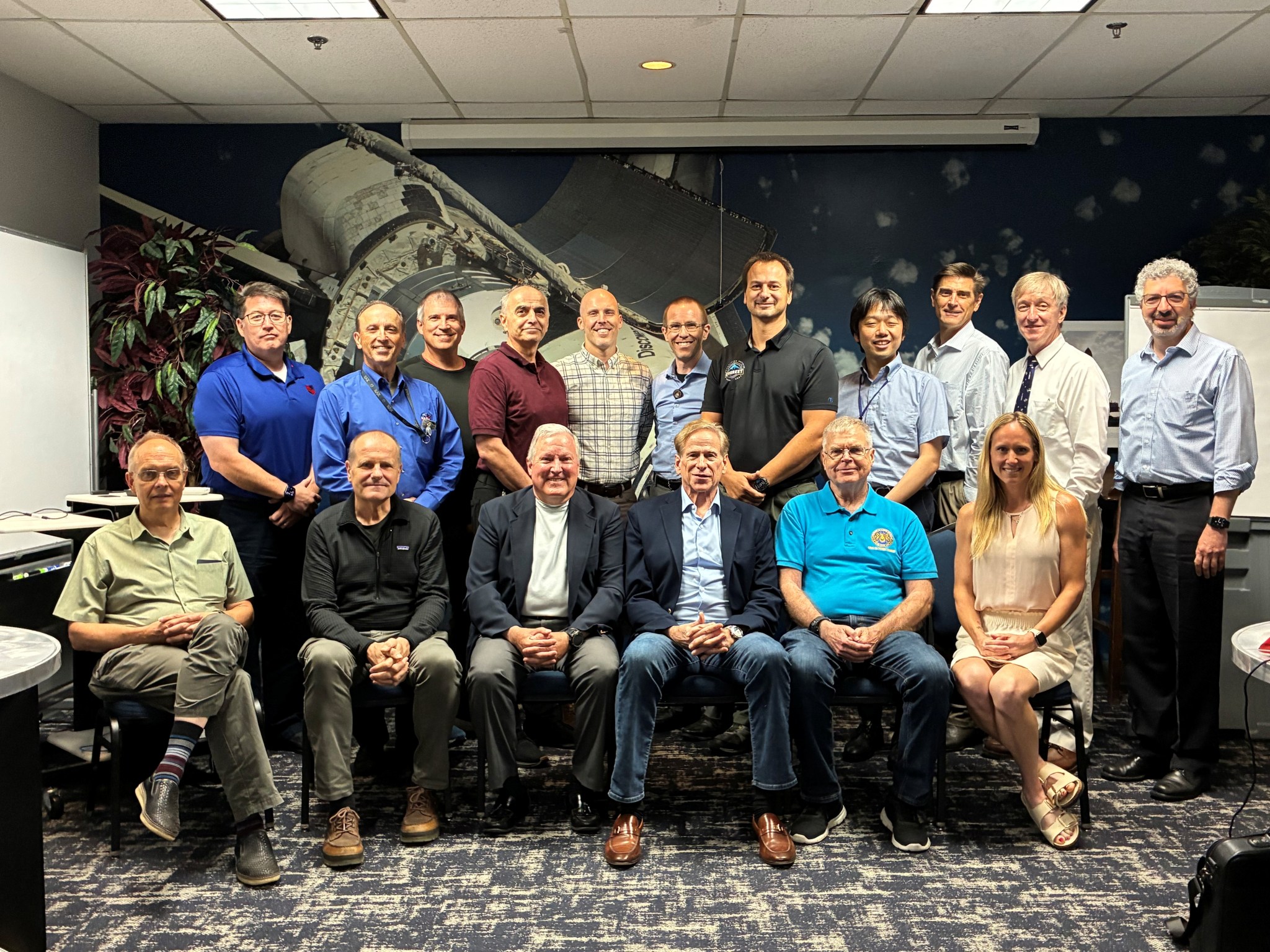
A NASA working group reviewed recent data on decompression sickness (DCS), venous thromboembolism (VTE), and patent foramen ovale (PFO) to inform Artemis missions. Recommendations focus on risk mitigation and astronaut selection.
Ground studies should not exclude subjects solely for left ventricular graying (LVGE). Protocols must balance safety and representativeness, with subjects informed of LVGE status and risks. The presence of a PFO is not considered a major risk factor for VTE or embolism complications in space habitats.
No changes to astronaut selection criteria regarding PFOs are recommended for VTE. The group found no definitive link between bubble grades and DCS risk during prebreathe protocols involving partial gravity and ambulation. The predictive value of bubble scores for DCS remains uncertain, especially for lunar operations.
A small PFO (Grade 1 or 2) does not pose a significant risk. Opinions were mixed on whether closing or screening large PFOs (Grade 3+) significantly reduces the risk of venous gas embolism (VGE) causing mission health events. Universal screening or exclusion of astronauts with large PFOs was not recommended.
Risk mitigation through protocol design and data collection is emphasized. If crews are assessed for large PFOs, they should be informed and offered closure. Clear clinical guidance is required for medication use before Extravehicular Activities (EVAs).
Protocols must address aspirin use for DCS prevention and pain relief. Guidance is also needed for pre- and post-EVA use of analgesics like acetaminophen, ibuprofen, naproxen, and celecoxib, as they may mask DCS symptoms.
AI-samenvatting op basis van de bron.
NASA