Good Good Good · Space
Less Frequent Garbage Collection May Boost Recycling Rates
A study suggests reducing garbage collection frequency could increase recycling and composting. Researchers analyzed curbside collection programs in England and Wales to find correlations with waste diversion.
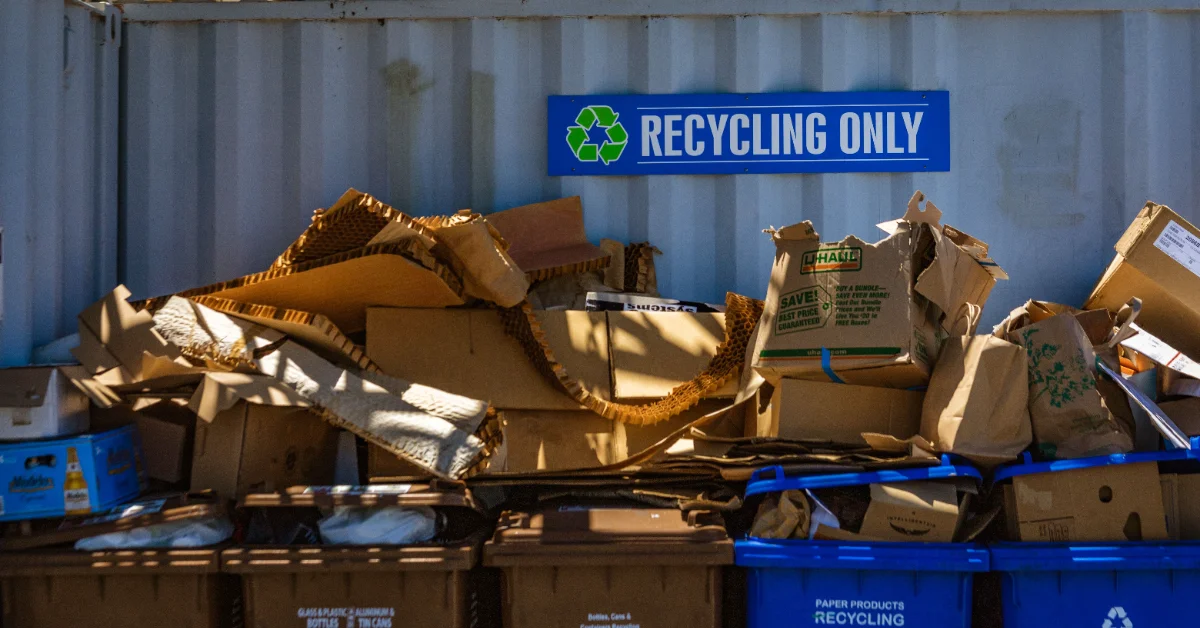
Canada generated nearly 40 million tons of waste in 2020, with a national diversion rate around 27%. This lags behind international targets.
The study examined collection frequency, sorting, and organic waste services. Data from England and Wales was used due to its accessibility.
Weekly food waste collection strongly correlated with higher recycling. Free yard waste collection also outperformed paid services.
Boroughs collecting garbage less frequently (every three weeks or longer) showed higher recycling and composting. Recycling collection frequency was not significantly associated with rates.
Higher education levels correlated with better recycling. Unemployment and single-person households showed the opposite, suggesting education and resources matter.
Recommendations include weekly food waste collection, garbage collection every three weeks, and free yard waste collection.
These changes could improve diversion, reduce costs, and lower emissions. Further infrastructure improvements are also needed for sustainable waste management.
AI-samenvatting op basis van de bron.
Good Good Good