Carbon Brief · Klimaat
Q&A: What is ‘long-duration energy storage’ – and why does the UK need it?
The UK is developing long-duration energy storage (LDES) technologies to store energy for extended periods, addressing gaps in renewable energy supply when wind and solar output is low. Ofgem, the energy regulator, has identified 16 LDES projects for potential support under a new "cap-and-floor scheme". These technologies, including pumped hydro, advanced batteries, and compressed air, are expected to significantly reduce energy system costs.
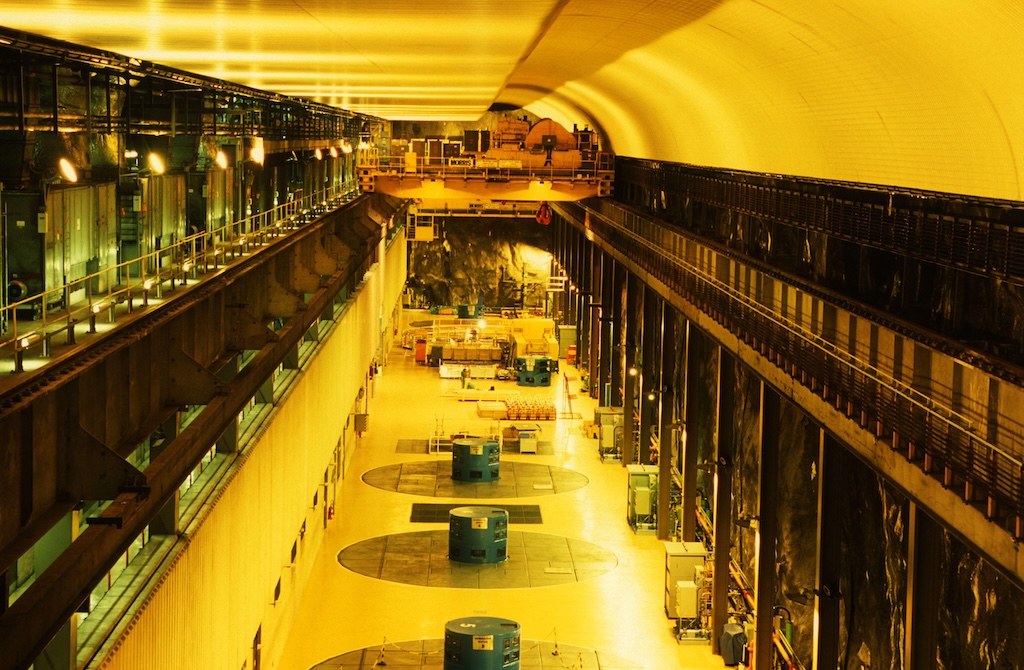
Long-duration energy storage (LDES) is defined by the UK government as technologies capable of storing energy for four hours to years, while Ofgem uses a threshold of eight hours and upwards. Experts suggest LDES should cover periods from seasons to decades. Currently, the UK has 2.8 GW of LDES, primarily from four pumped-hydro assets. As the UK's electricity system increasingly relies on variable renewables like wind, the need for LDES to manage generation fluctuations, especially during periods of low wind and sun (termed "dunkelflaute"), is growing. The UK is expanding its LDES capacity and diversifying technologies, including the recent opening of a large vanadium flow battery site.
LDES technologies fall into four main categories: mechanical, thermal, chemical, and electrochemical. Examples include pumped hydro, which stores energy by moving water uphill, and batteries (electrochemical). Thermal storage uses heated materials, while chemical storage involves energy in molecular bonds, like hydrogen. While short-duration lithium-ion batteries have dominated recent growth, they are insufficient for longer gaps in renewable generation. Technologies like vanadium-redox flow batteries, compressed-air storage, and hydrogen storage are being explored for longer durations. Each technology has unique advantages, costs, and lifespans; for instance, pumped hydro has high upfront costs but a long operational life.
The UK government has set a target for 4-6 GW of LDES by 2030 to balance a renewable-heavy electricity mix, with the National Electricity System Operator projecting a rise to 13.2-16.6 GW by 2050. The "cap-and-floor" mechanism, designed to guarantee revenue for LDES projects, has seen significant interest, with 7.6 GW provisionally supported across 16 projects, including pumped storage hydro, lithium batteries, a vanadium-zinc flow battery, and compressed air storage. Innovate UK is also funding "ultra-long" duration battery storage demonstration projects.
The implementation of LDES is anticipated to lower energy bills by making the electricity system more efficient and reducing costs associated with balancing supply and demand, such as curtailment (paying generators to switch off). Analysis suggests that LDES could reduce UK electricity system costs by billions of pounds annually by 2040-2050. While LDES requires significant upfront investment, it is expected to yield substantial savings over its operational life, potentially repaying its initial cost multiple times over by enabling greater use of renewable energy and reducing reliance on fossil fuels.
AI-samenvatting op basis van de bron.
Carbon Brief