Mongabay · Climate & nature
Biodiversity Banking: Preserving Genetic Material for Future Conservation
Biodiversity banking collects and preserves genetic samples of plants and animals. The San Diego Zoo Wildlife Alliance (SDZWA) maintains a comprehensive bank, including a plant gene bank, a tissue/DNA bank, and the Frozen Zoo for cryopreserved samples.
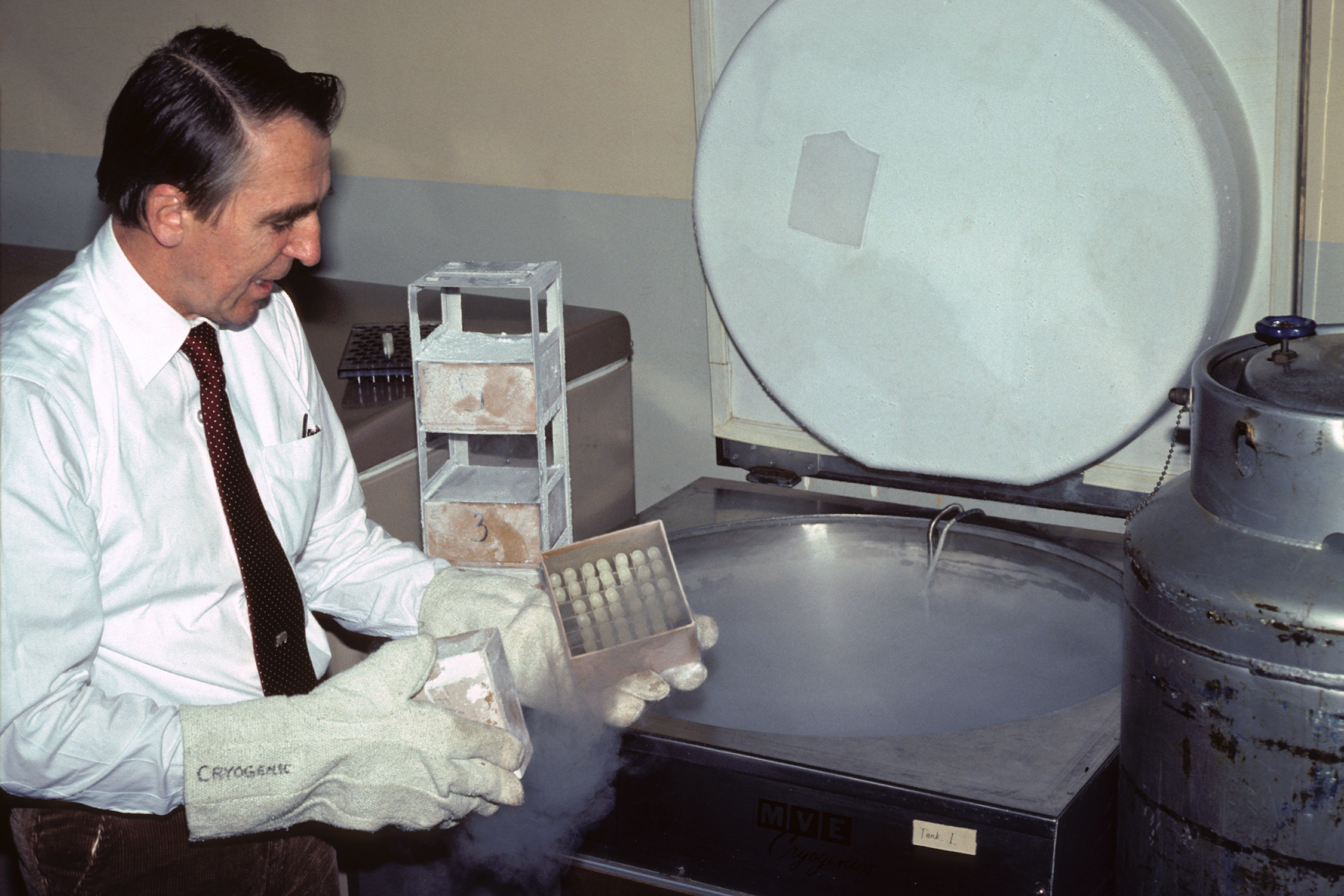
The Frozen Zoo, established in 1975, is the world's largest, cryopreserving genetic materials at extremely low temperatures. It's part of SDZWA's broader initiative, which also includes a native plant seed bank and a DNA/tissue bank for genomic analysis.
Preserving genetic samples is crucial for future species recovery, maintaining genetic diversity, and advancing research, according to Katie Heineman, SDZWA's conservation program leader for biodiversity banking.
Biodiversity banking helps conserve genetic diversity, vital for species' adaptation and resilience. Saved DNA can increase genetic diversity in living populations or aid in understanding extinction risks and disease susceptibility.
SDZWA is expanding capacity-building through collaborations in Kenya, Vietnam, Peru, and Hawai'i, aiming to establish local cryogenic banks with in-country partners.
A success is the cloning of Przewalski's horses from DNA preserved for 40 years, demonstrating potential for reintroducing genetic diversity into managed populations.
Frozen Zoo material has aided genomic discoveries, contributing to projects predicting extinction risks and disease susceptibility in vertebrates.
Gaps remain in banking invertebrates and marine life. Developing new sampling techniques and a distributed network of biobanks are crucial for global impact.
AI-samenvatting op basis van de bron.
Mongabay