The Optimist Daily · Health
Gut Metabolite Urolithin A Shows Promise for IBD Treatment
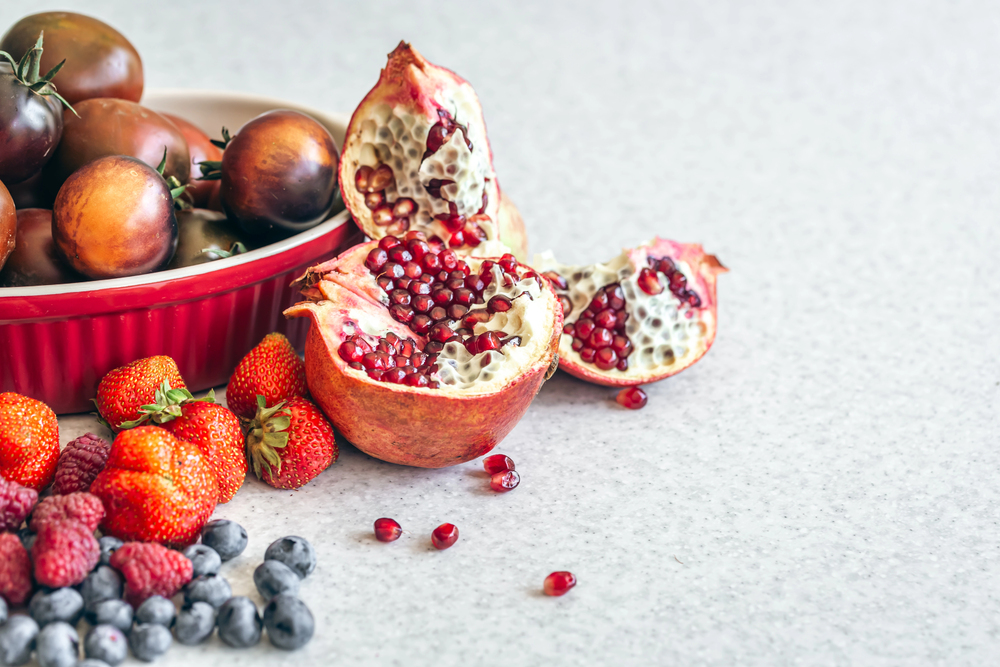
A metabolite produced by gut bacteria breaking down compounds in foods like pomegranates and berries, known as urolithin A, may offer a new approach to treating inflammatory bowel disease (IBD).
Research from the University of Louisville indicates that urolithin A activates a protective pathway in intestinal cells, promoting gut lining repair instead of inflammation. This mechanism involves the aryl hydrocarbon receptor (AHR) and the NLRP6 inflammasome, specifically within intestinal epithelial cells.
Unlike broad immune suppression, this localized activation by urolithin A strengthens the intestinal barrier, enhances mucus production, and improves defenses against harmful microbes. This targeted repair pathway could be significant for managing conditions like Crohn's disease and ulcerative colitis.
The study, published in Nature Communications, is the first to detail this mechanism and test it in human intestinal tissue from IBD patients, alongside cell and organoid models. The findings suggest that certain inflammatory pathways, when activated correctly, are crucial for gut health.
While these results are promising and identify a specific protective pathway, no clinical therapy currently exists. Further research is needed to determine if urolithin A itself is a viable drug candidate or if it serves as a key to understanding how to therapeutically activate this repair mechanism.
AI-samenvatting op basis van de bron.
The Optimist Daily