ArchDaily · Creativity & design
Architecture and Democracy: Beyond Participation to Encounter and Equity
On the International Day of Democracy, the UN emphasizes citizen participation and equitable societies. This article explores how architecture can foster democratic principles through spatial design, focusing on encounter, territorial justice, and symbolic representation.
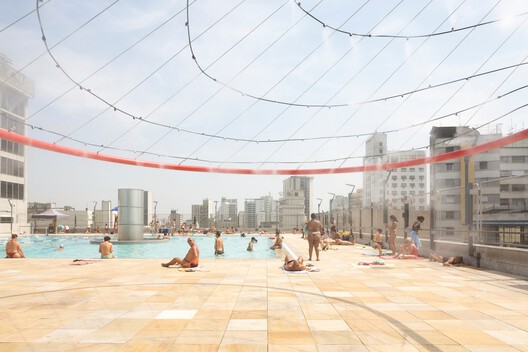
Democracy, while often seen as a path to justice and equity, has historically been used to justify colonization and power imbalances. The built environment can be a tool to pursue democratic values, with public spaces facilitating dialogue and territorial justice addressing issues like the climate crisis and housing access.
Architecture itself is a political act. Buildings can embody social symbols, and their design, alongside property regulations, can confront societal challenges. This perspective shifts the understanding of democracy from a top-down governmental concept to a socio-spatial one.
The article presents a selection of related content exploring four themes: public spaces for participation and encounters, territorial justice and climate resilience, public policies for housing access, and the symbolism embedded in building design.
AI-samenvatting op basis van de bron.
ArchDaily