Change Inc · Duurzaamheid
News Update: McDonald's Penalized for Disposable Cups and Tata Steel's 'Subsidy Trap' Nears €11 Billion
McDonald's faces a penalty of over six hundred thousand euros per week if it does not switch to reusable cups in all its Dutch branches by 5 January 2027. The Human Environment and Transport Inspectorate (ILT) states that disposable cups containing plastic have been prohibited for on-site consumption since 2024. Meanwhile, potential state aid for Tata Steel Netherlands could reach almost 11 billion euros, according to research by Milieudefensie and SOMO.
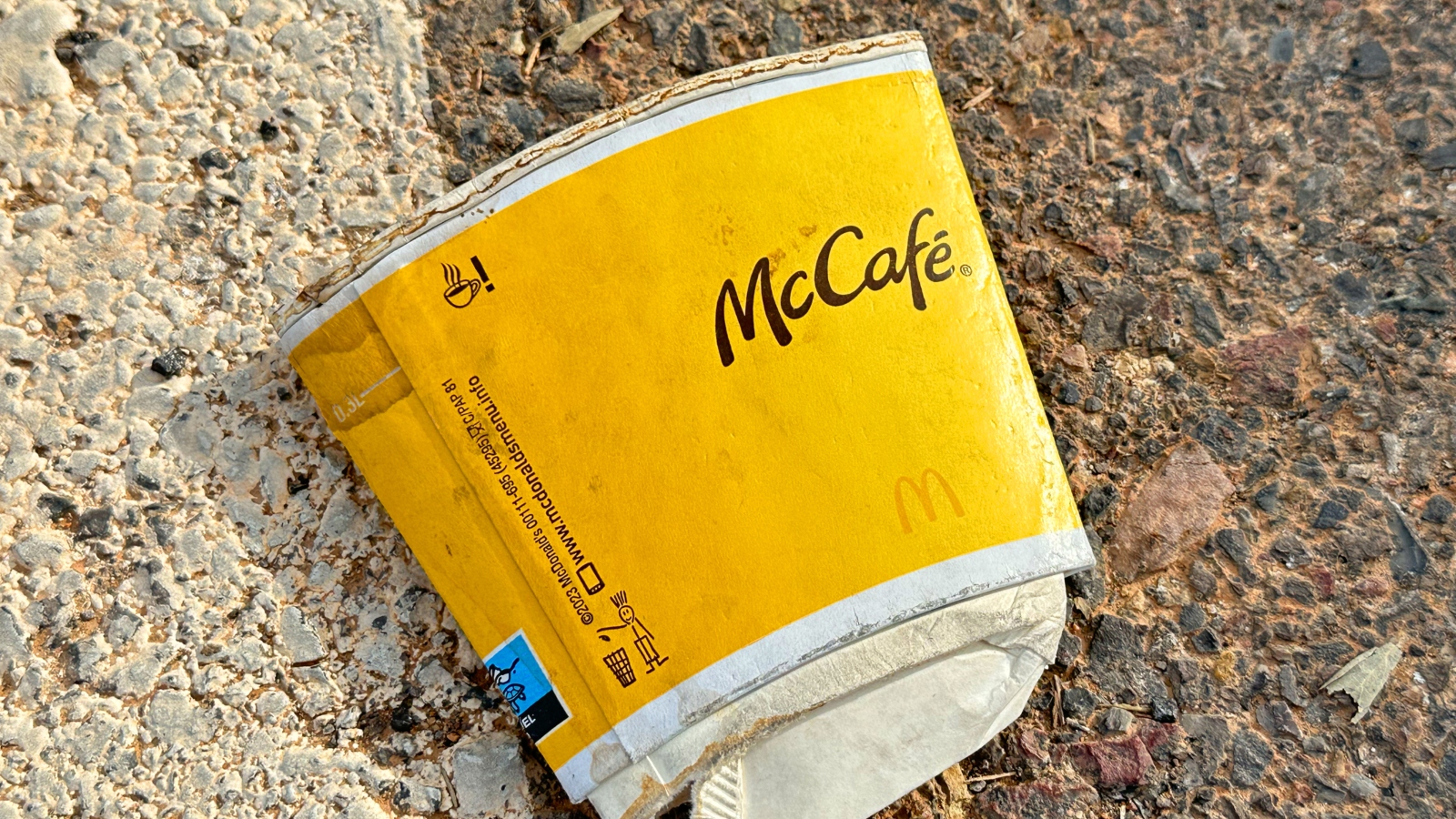
McDonald's has promised the ILT to switch to reusable cups in all its Dutch locations by 5 January 2027. If the fast-food chain fails to comply, a penalty of over six hundred thousand euros per week will be imposed, with a maximum of 3,75 million euros. The ILT notes that disposable cups containing plastic have been prohibited for consumers eating on-site since 2024, although this ban does not apply to takeaway orders.
The government's nitrogen plans, aiming for at least 42 percent less emissions in agriculture by 2035, could 'come within reach,' according to the Netherlands Environmental Assessment Agency (PBL). However, the detailed measures are still insufficient. The PBL states that a generic reduction of 5 to 10 percent on farmers' production rights, or forced reduction in the number of animals, is necessary. LTO Netherlands and minister Jaimi van der Wal consider such a reduction 'unnegotiable' and a 'no-go.'
Potential government aid for Tata Steel Netherlands could amount to up to 10,8 billion euros if the bespoke agreement with the steel company proceeds. Milieudefensie and SOMO suggest that this could include costs for biomethane, network tariffs, and the processing of steel slag. They also warn of financial setbacks at Tata Steel, which could cost the government more than the intended 2 billion euros. Economists fear that producing green steel in the Netherlands will remain structurally more expensive than elsewhere.
CO2 emissions from Dutch road traffic decreased last year, partly due to the rise of electric driving. Statistics Netherlands (CBS) reports a decrease of 1,6 percent compared to 2024. However, these figures do not account for indirect CO2 emissions from electric cars, for example, due to non-renewable electricity.
Proposed adjustments to the EU Emissions Trading System (ETS) by the European Commission could lead to 33 percent more CO2 emissions in industry, energy production, shipping, and aviation until 2050. The CPB and PBL warn that a delay in phasing out the emissions cap will provide less incentive for companies to reduce emissions, with an expected increase of 2,9 billion tons of extra CO2.
Outdoor brand Patagonia is joining a lawsuit against President Donald Trump, who plans to significantly reduce the size of two national parks in Utah for oil and gas extraction. Patagonia had previously opposed similar plans and now states it will not 'stand idly by' again.
AI-samenvatting op basis van de bron.
Change Inc