Science News · Science
New Fossils Shed Light on Denisovan Culture
A newly discovered cave in China has provided significant insights into the lives of Denisovans, an extinct sister species of modern humans.
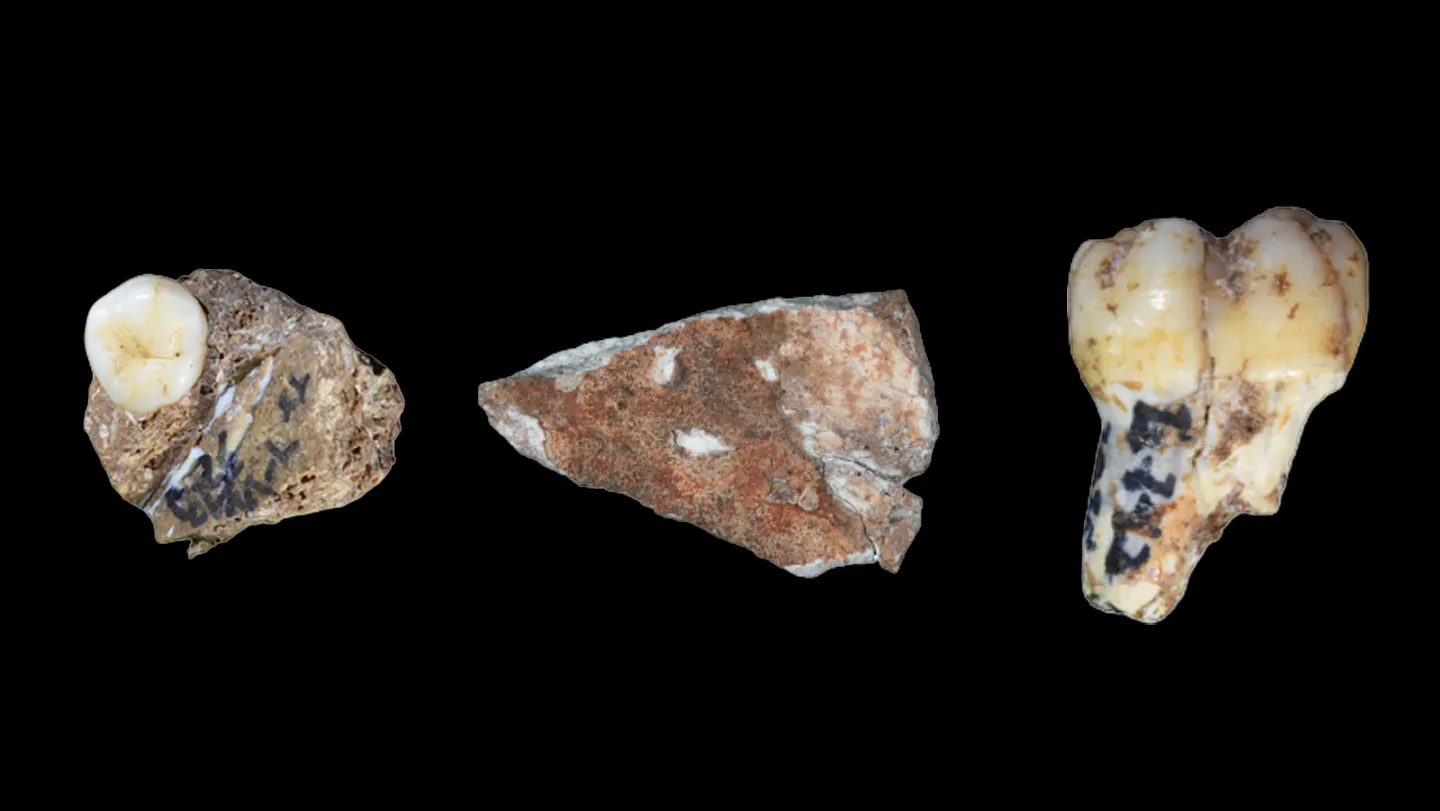
For the first time, archaeologists have found a rich collection of Denisovan fossils, tools, and butchered animal remains in Bianfu Cave, Yunnan Province. Protein analysis and X-ray scans confirmed the fossils belong to at least three Denisovans who lived between 167,000 and 134,000 years ago.
Denisovans, known primarily from a few fossils and their genetic legacy in modern populations, have remained largely mysterious. This discovery offers a clearer view of their daily lives and behaviors.
The cave yielded over 1,300 tools and more than 1,600 animal remains, mainly deer. Evidence of cutting and scraping marks on the bones suggests Denisovans used tools for processing animals.
The tools found in the cave date from 190,000 to 70,000 years ago. As no other human species were found at the site during this period, researchers suggest the tools were made by Denisovans.
This contrasts with Denisova Cave in Siberia, where tools were found but their makers (Denisovans, Neanderthals, or early modern humans) remain uncertain.
The presence of butchered deer bones indicates that Denisovans adapted to their environment and hunted various prey using different methods, painting a more complete picture of their existence.
AI-samenvatting op basis van de bron.
Science News