NASA · Space
NASA Refines Measurement of Earth's Shifting Center of Mass
NASA scientists have developed a new, highly precise technique using satellite tracking to estimate the seasonal shifts in Earth's center of mass, crucial for satellite navigation and elevation measurements.
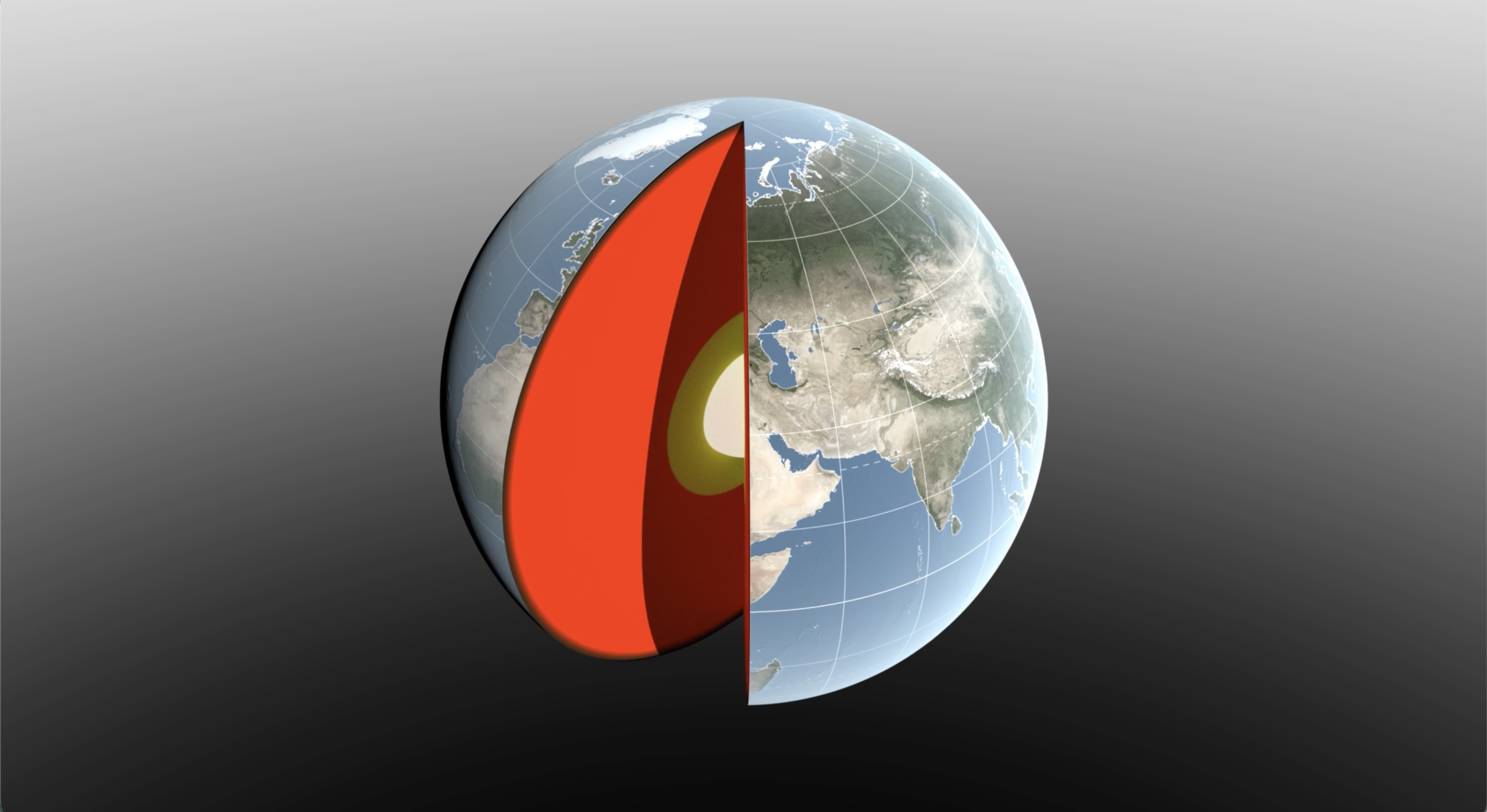
Seasonal changes in water distribution, atmosphere, and ice cause Earth's center of mass to oscillate by millimeters relative to its geometric center. Previous estimates of this movement have shown significant discrepancies, prompting the development of a more accurate method.
A team led by NASA's Jet Propulsion Laboratory (JPL) integrated GPS tracking and low Earth orbit satellite data with existing satellite laser ranging techniques. This new approach also accounts for the deformation of Earth's crust due to water and ice loads.
The refined technique suggests that the annual back-and-forth movement of Earth's center of mass is about half of previous estimates. This implies that the mass of water and air shifting between hemispheres is less than previously believed.
The study attributes seasonal shifts to oceans, atmosphere, and continental water. For instance, snow accumulation in North America and Eurasia shifts the center of mass north, while peak rainwater in the Amazon basin swings it towards South America.
Atmospheric changes, such as dense winter air, also contribute to these shifts. The calculations align with observations from the GRACE-FO mission, which monitors monthly gravitational pull fluctuations caused by water movement.
Understanding these subtle shifts is vital for modern applications requiring precise positioning, benefiting areas like global shipping logistics and precision agriculture by improving reference systems for mapping and navigation.
AI-samenvatting op basis van de bron.
NASA