NASA · Space
NASA Tests Innovative Dual-Mode Propulsion for Small Satellites
NASA has completed tests on a new small satellite, ASCENT, demonstrating a unified, non-toxic propulsion system for efficient spaceflight.
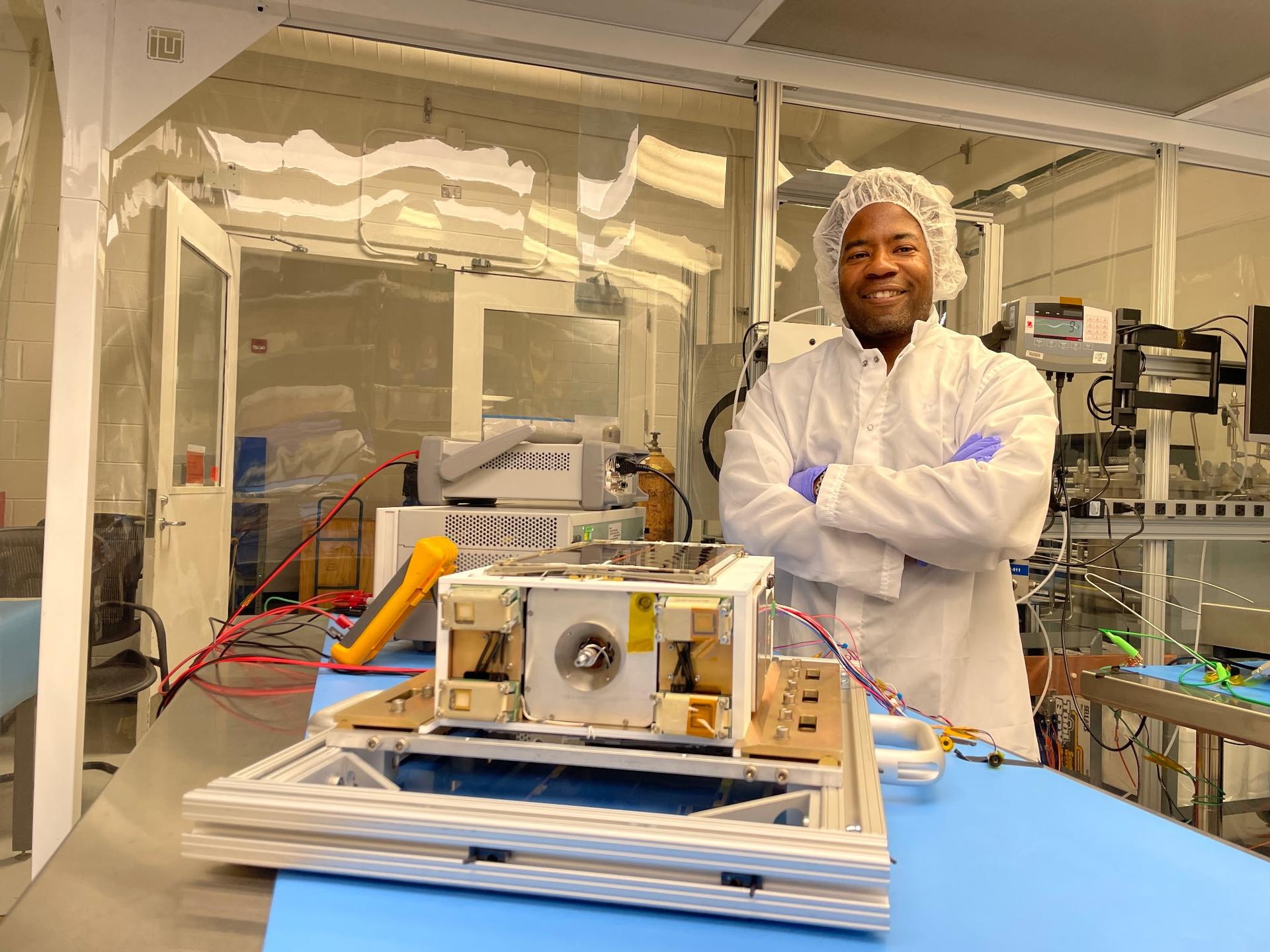
ASCENT will test a shoebox-sized satellite with a single propulsion system using a common fuel tank for both high-thrust and low-thrust engines, saving mass and volume.
The system uses a non-toxic ASCENT propellant, feeding both combustion and electrospray thrusters from one tank. This is a collaborative effort involving NASA Marshall, MIT, Plasma Processes, and Georgia Tech.
Rigorous ground tests at NASA Marshall included leak tests in a vacuum chamber to ensure seal integrity for the unified system.
The satellite also underwent thermal vacuum testing to simulate space conditions and a spin test to verify stability.
With testing complete, final preparations include system checkouts and solar array integration. The ASCENT mission is scheduled to launch no earlier than October 1 on a SpaceX Falcon 9 rocket.
Upon deployment, the satellite will perform a nine-month mission, alternating between high-thrust and low-thrust maneuvers to prove the dual-mode concept in space.
AI-samenvatting op basis van de bron.
NASA