NASA · Space
NASA Technique Enhances Faded Images, Revealing Ancient Art
A NASA-developed image enhancement technique, originally for satellite data, is now being used to reveal nearly invisible ancient artwork and artifacts.
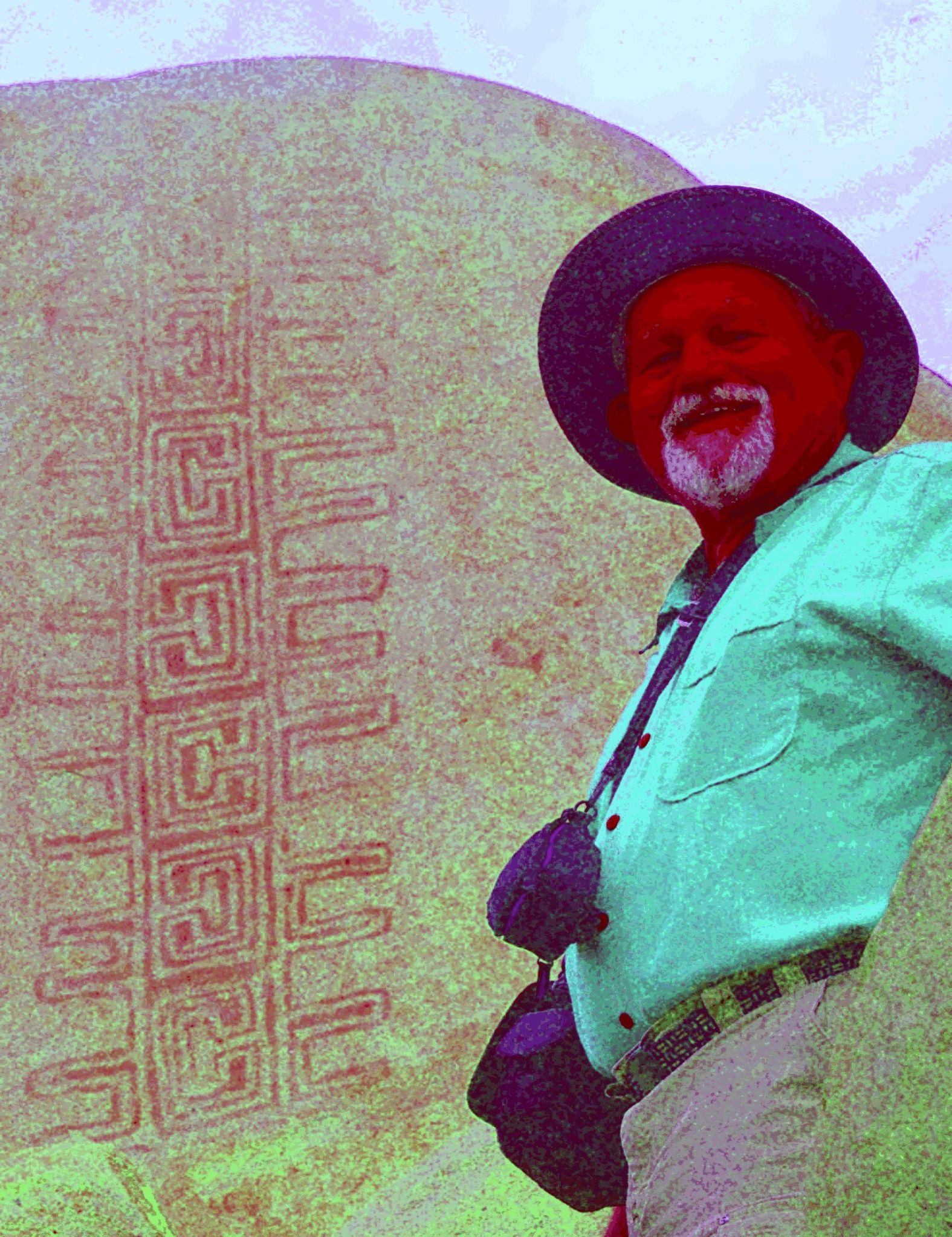
The decorrelation stretch technique, conceived at NASA's Jet Propulsion Laboratory, heightens contrast in digital images, making faded features more discernible. This method has been instrumental in discovering and studying ancient paintings, such as those found in Cambodia's Angkor Wat temple complex.
Jon Harman, a retired professional with a background in medical imaging and a hobbyist in rock art, adapted the NASA technique. After seeing its effectiveness on Martian surface images, he developed a plug-in called Dstretch for the open-source program ImageJ, allowing wider application.
The technique was based on a 1996 paper by JPL employee Ronald Alley, who explored its potential for analyzing data from NASA's Terra satellite. Harman's Dstretch plug-in and subsequent smartphone apps have been downloaded thousands of times.
Dstretch has proven valuable in archaeology, aiding the clarification of imagery at ancient sites globally, including Norway, Egypt, and Canada. It has also assisted in locating buried ancient Greek structures and examining tattoos on mummified remains.
AI-samenvatting op basis van de bron.
NASA