NASA · Space
NASA's SSPICY Mission to Test In-Space Inspection Technologies
NASA's Small Spacecraft Propulsion and Inspection Capability (SSPICY) mission, launched October 1, will test technologies for in-space repairs and orbital debris reduction. An Otter spacecraft will approach and inspect up to four defunct U.S. space objects in low Earth orbit.
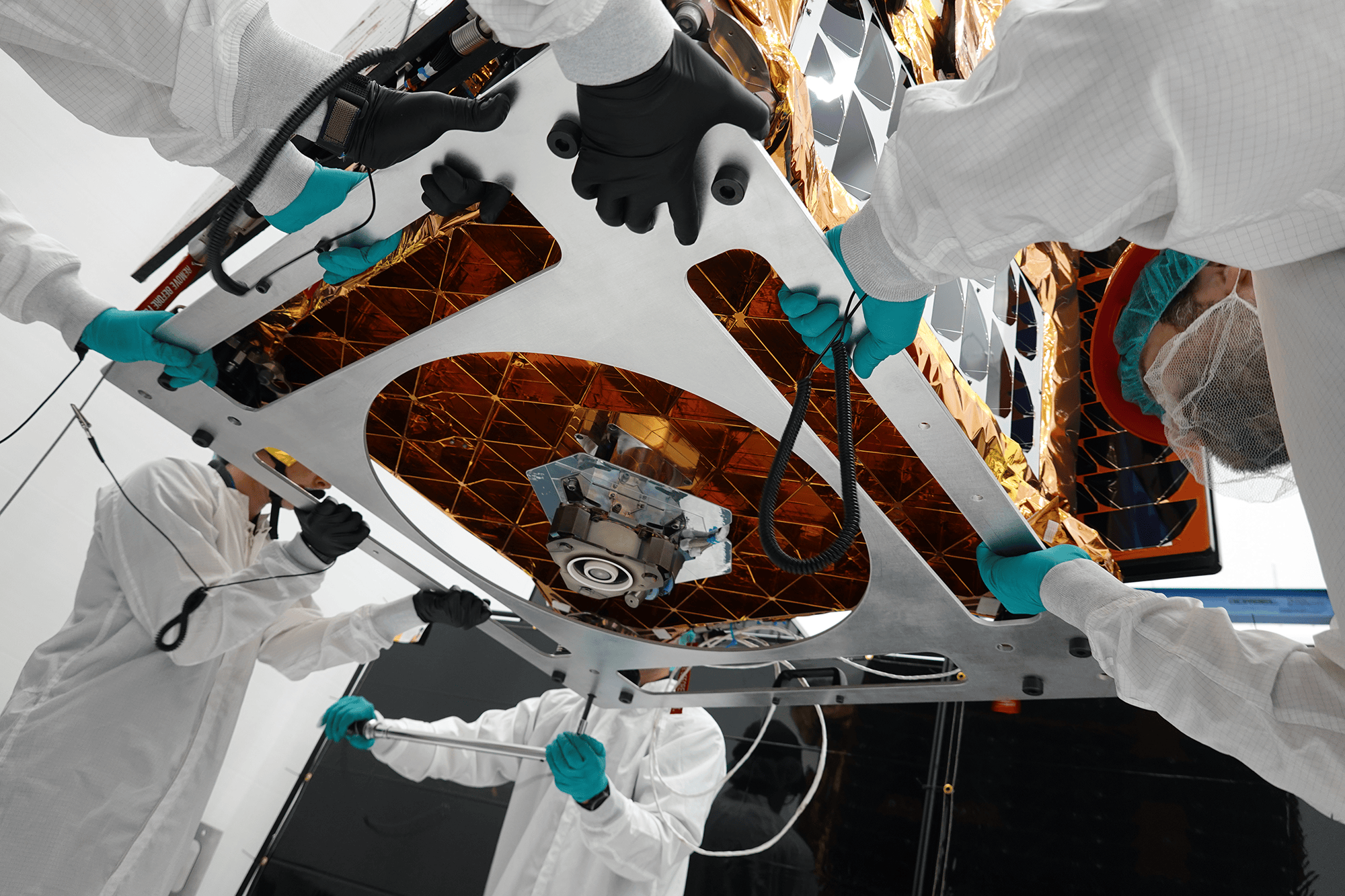
The SSPICY mission utilizes an Otter spacecraft, built by Starfish Space, to autonomously navigate and inspect non-operational satellites and rocket bodies. Starting in early 2027, the spacecraft will approach targets within hundreds of yards, using advanced software, computer vision, and sensors for real-time navigation with minimal ground control input.
During inspections, the Otter spacecraft will gather data on the objects' spin rate, orientation, and surface condition. The mission will also test an electric propulsion system for inter-object travel and a robotic boom for precise maneuvering.
This is the first integrated system test of these technologies, aiming to enable future autonomous servicing and orbital debris inspection missions. The Otter spacecraft, about the size of a washing machine, will not physically interact with the targets.
The technologies tested could eventually support missions to service, repair, or safely de-orbit space objects. This is crucial as the increasing number of satellites launched annually makes maintaining a safe operational space environment more critical.
SSPICY is managed by NASA's Small Spacecraft and Distributed Systems program and funded in part by NASA's Small Business Innovation Research/Small Business Technology Transfer program, which supported the early development of key technologies by Starfish Space.
AI-samenvatting op basis van de bron.
NASA