NASA · Space
NASA Orbiter Discovers Largest New Moon Crater
A routine data check by a NASA scientist led to the discovery of the largest newly formed crater ever found in the solar system, named McGetchin.
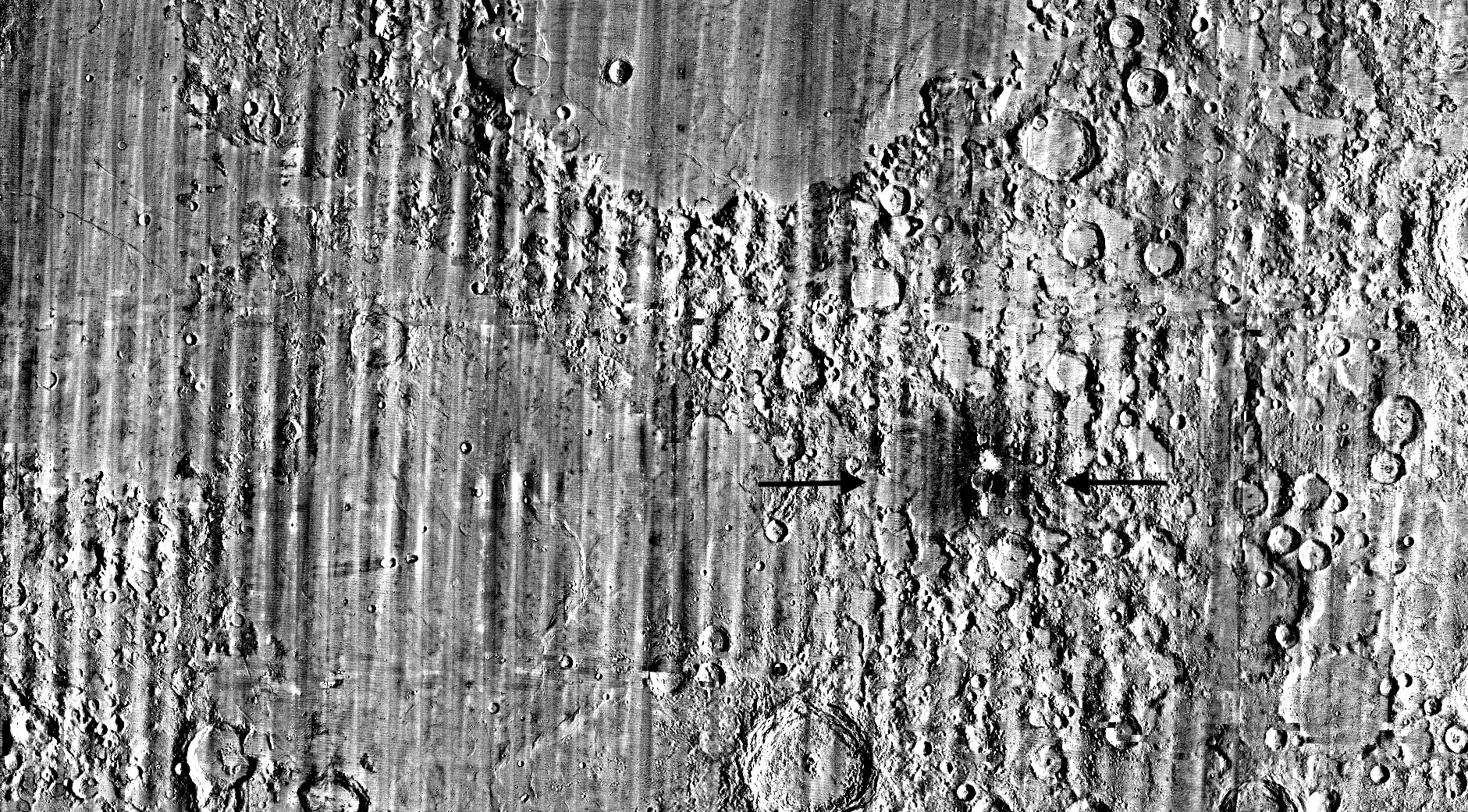
Robert Wagner, an image-processing specialist, identified the crater using NASA's Lunar Reconnaissance Orbiter Camera (LROC) by comparing before and after images.
McGetchin crater formed between April 11 and May 22, 2024, after an object the size of a three- to six-story building struck the Moon. This is a once-in-a-century event.
The crater measures 728 feet wide and 141 feet deep. Impacts of this magnitude occur on the Moon about once per century or less.
LRO has mapped thousands of new craters and surface changes over 17 years. The Moon's lack of atmosphere allows objects to reach the surface easily.
Thermal data revealed a 4-mile-wide 'cold spot' around the crater, about 16 degrees Fahrenheit cooler at night. This is due to the impact fluffing up the regolith.
The discovery highlights LRO data's value for studying the Moon's dynamic landscape for future human activities.
Both Wide-Angle and Narrow-Angle cameras were used to determine the crater's size and impact effects.
AI-samenvatting op basis van de bron.
NASA