NASA · Space
NASA Swift Boost Mission Yields Experience Despite Orbit Failure
A mission to boost NASA's Swift Observatory's orbit failed to raise it but provided valuable experience for future in-space servicing.
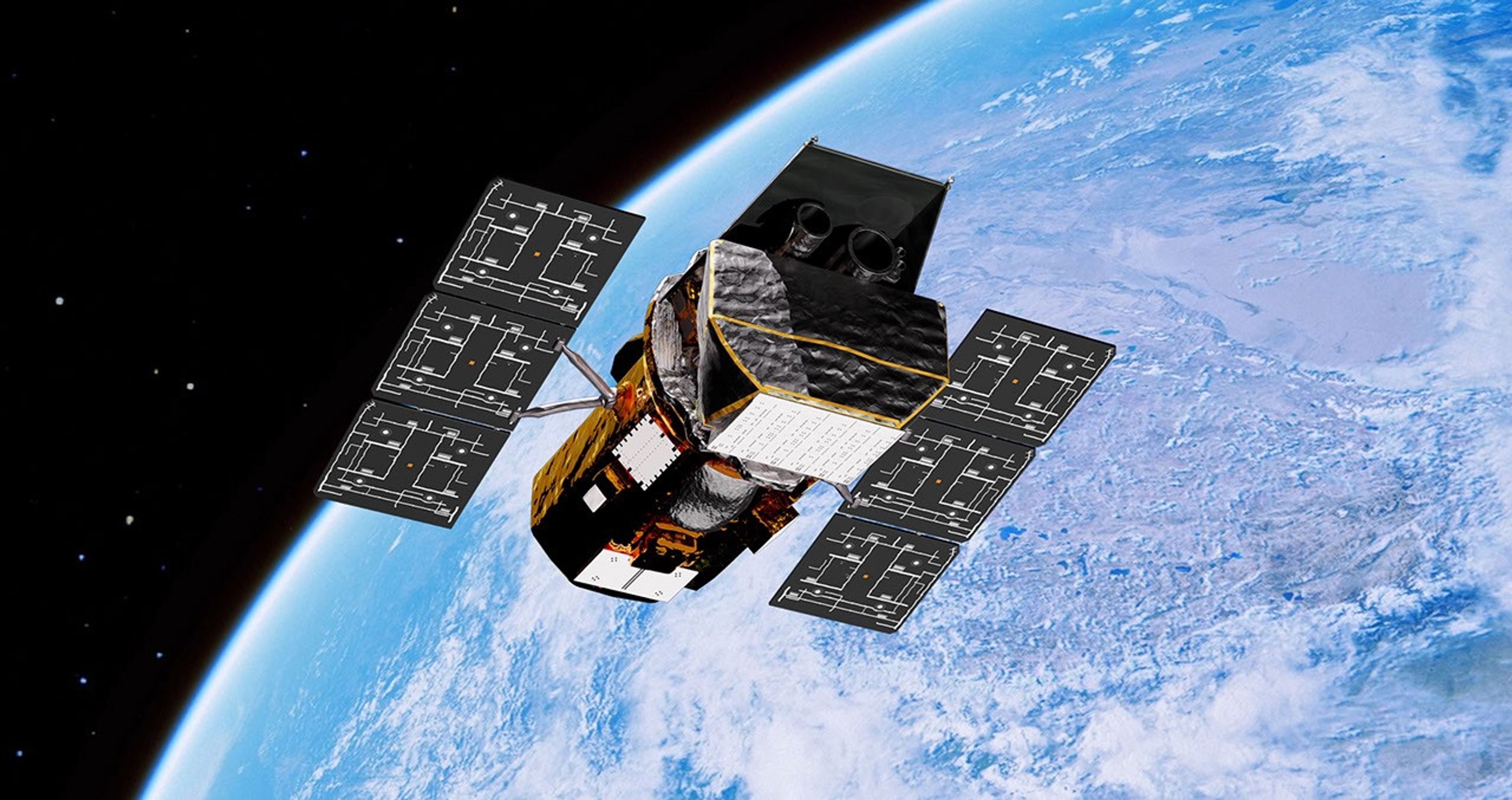
The high-risk mission aimed to extend Swift's life, threatened by atmospheric drag. The effort advanced U.S. servicing technology and tested new operational approaches for low Earth orbit satellites.
NASA contracted Katalyst Space to build and launch a servicing satellite, LINK, within a year. LINK launched in July but faced communication and orientation control issues.
Mission objectives were scaled back; LINK would demonstrate technologies like its propulsion system and robotic arms instead of boosting Swift. NASA concluded its involvement Sept. 3; LINK re-entered the atmosphere Sept. 25.
The mission required agile project management due to its tight timeline. NASA and Katalyst developed new processes, with input from NASA's Engineering and Safety Center.
Swift's operations team minimized drag by adjusting the observatory's pointing direction. These adjustments bought time for the boost mission and offer lessons for future missions.
The team balanced drag reduction with avoiding instrument overheating and excessive atmospheric exposure, maintaining Swift's altitude above a critical threshold for months.
Both NASA and Katalyst see the mission as a foundation for future endeavors, highlighting public-private collaboration in tackling ambitious space challenges.
AI-samenvatting op basis van de bron.
NASA