NASA · Space
NASA Armstrong Celebrates 80 Years of Flight Innovation
NASA's Armstrong Flight Research Center in Edwards, California, marks 80 years of pioneering aviation advancements, from achieving the first supersonic flight to developing technologies for future space exploration.
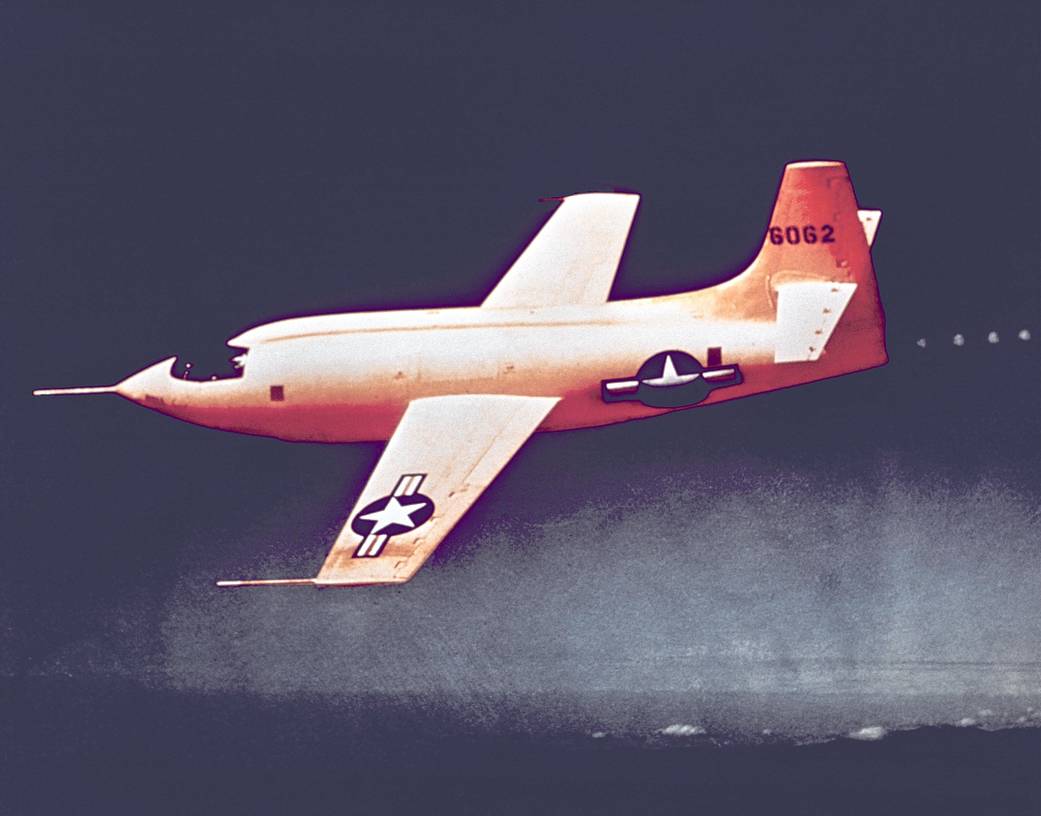
Established as a NACA outpost in 1946, the center achieved supersonic flight with the X-1 aircraft in less than two years. Today, it continues this legacy with the X-59 supersonic X-plane, aiming to demonstrate quiet supersonic flight.
Over its history, Armstrong has supported critical missions including space shuttle landings and SR-71 flights, significantly shaping science, aeronautics, and space research.
Recently named the agency's Center of Excellence for Flight Test and Aircraft Operations, Armstrong utilizes research aircraft like a 737 for astronaut suit testing and a G-III for Artemis II heat-shield data collection.
The center is also testing an F/A-18 aircraft for the Space Launch System rocket's autopilot and is rigorously testing the X-59 for upcoming quiet supersonic demonstrations over U.S. communities.
Armstrong has influenced commercial and military aviation through research in areas like digital fly-by-wire and collaborates with various entities to enhance flight safety, autonomy, and efficiency.
The center also contributes to global science by flying aircraft such as the ER-2 and C-20A to gather data on environmental issues like wildfires, glacier melt, and pollution.
AI-samenvatting op basis van de bron.
NASA