Science News · Wetenschap
Monkeys hunt small animals when fruit is scarce
Bearded capuchin monkeys in Brazil hunt and consume small vertebrates more frequently when fruit availability decreases, according to a study published in PLOS One. This behavior may offer insights into the evolution of early human diets and the transition to consuming more meat.
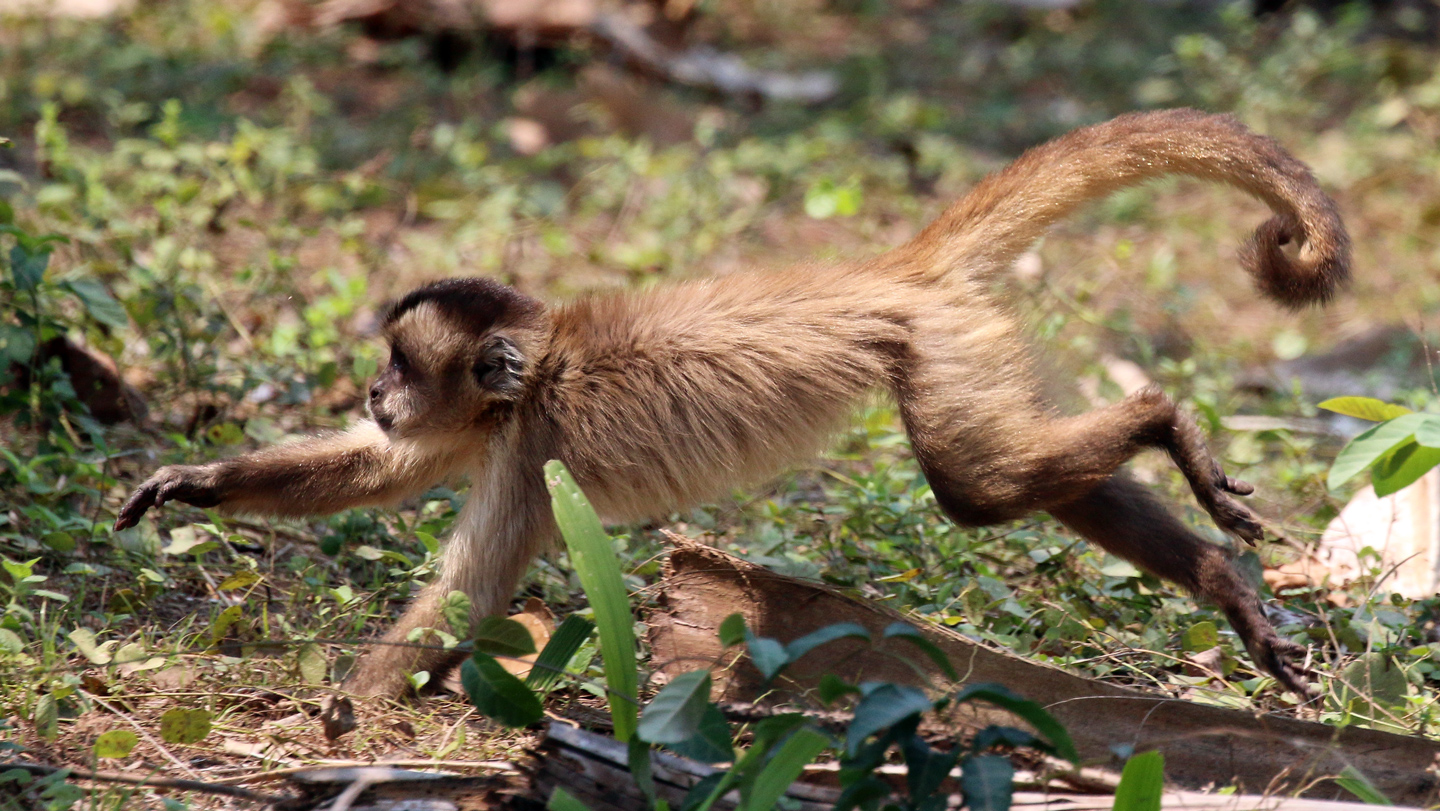
Researchers analyzed observational data from a long-term study of bearded capuchins in northeastern Brazil, collected between June 2006 and December 2010. They recorded 281 instances of the monkeys eating small vertebrates, including lizards, rodents, birds, and opossums. The study compared dietary data with information on fruit availability, environmental factors, and the age and sex of the monkeys.
The findings revealed that as fruit became less common during seasonal fluctuations, the monkeys increased their hunting and consumption of vertebrates, often prioritizing brains and guts. This dietary flexibility during times of scarcity may have been crucial for early hominids transitioning to a meat-rich diet, providing essential fats and nutrients.
Bearded capuchins share several traits with humans, such as proportionally large brains, meat consumption, tool use, bipedal locomotion, and a willingness to eat snakes. These similarities suggest that studying capuchin behavior could serve as a model for understanding the emergence of early hominin behaviors. Future research aims to assess the predation of small vertebrates as a potential stepping stone to the hunting of larger game by early humans.
AI-samenvatting op basis van de bron.
Science News