Science News · Wetenschap
Microbes might get freeze-dried on the moon’s south pole
Hardy microbes could potentially survive on the moon's south pole, a region with conditions similar to freeze-drying, according to new research. This finding has implications for future lunar missions and the risk of contamination.
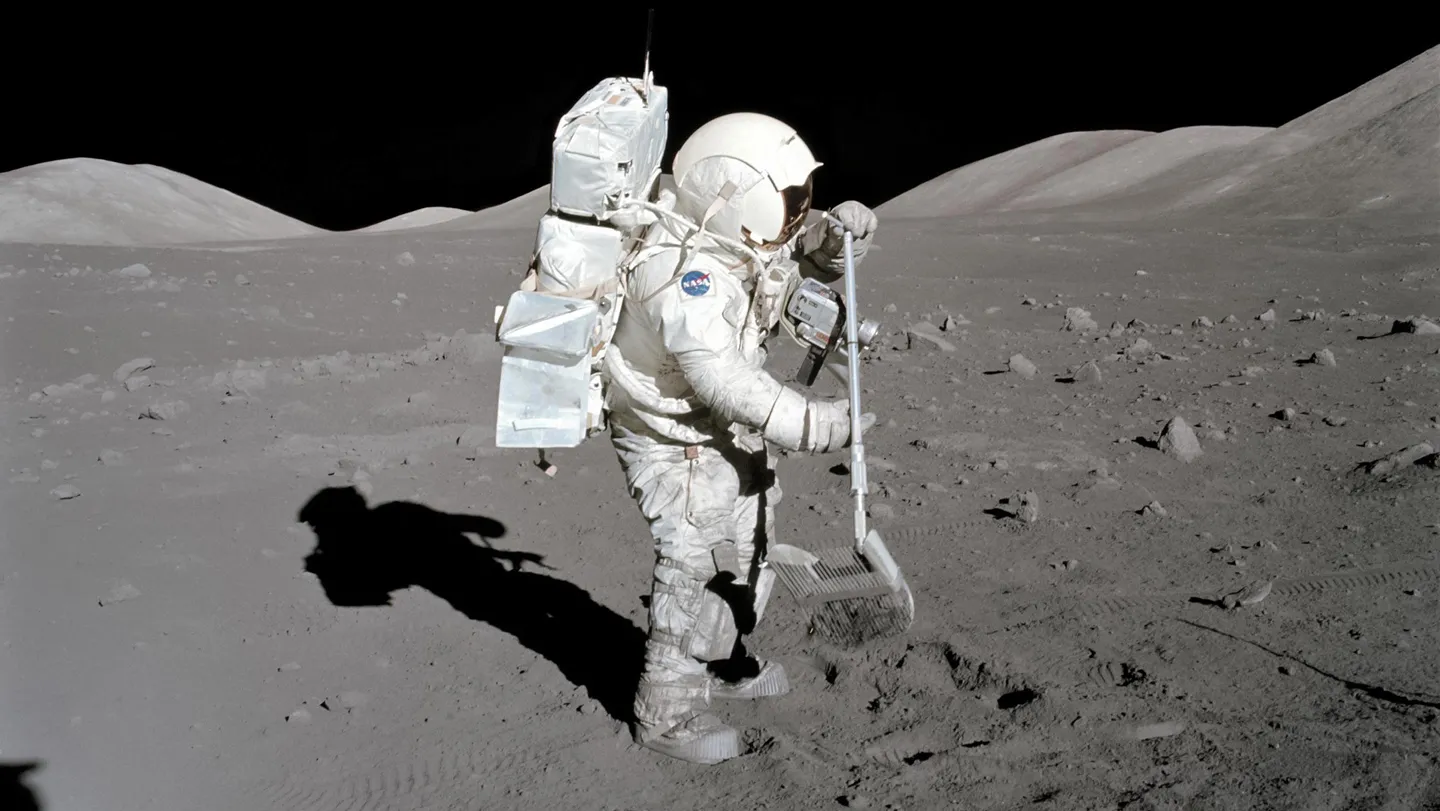
Previous lunar missions focused on the equator, which is harsh for life due to high UV radiation and extreme temperature fluctuations. However, the Artemis IV mission, scheduled for 2028, will land at the moon's south pole. Researchers suggest that the unique topography there, with permanently shadowed regions reaching -200° Celsius and minimal UV radiation, could support certain bacteria and fungi.
NASA scientists tested five common human-associated microbes—three bacteria and two fungi—on simulated lunar south pole conditions. All five survived for at least 24 hours. The fungus Aspergillus niger, known for its thick cell walls and DNA repair capabilities, proved the hardiest, with an estimated survival time of over a week in some areas.
While these microbes are unlikely to reproduce or grow, even dormant or dead organisms could contaminate lunar samples, affecting scientific measurements. The study aims to inform decontamination procedures for upcoming missions like Artemis IV and future exploration of Mars, which is considered more hospitable to microbial life.
AI-samenvatting op basis van de bron.
Science News