Science News · Wetenschap
Landslides Pose Greatest Risk to Vulnerable Populations, Study Finds
New research reveals that communities with the highest landslide susceptibility in the United States are disproportionately populated by individuals with lower socioeconomic status, who are least able to afford mitigation or relocation.
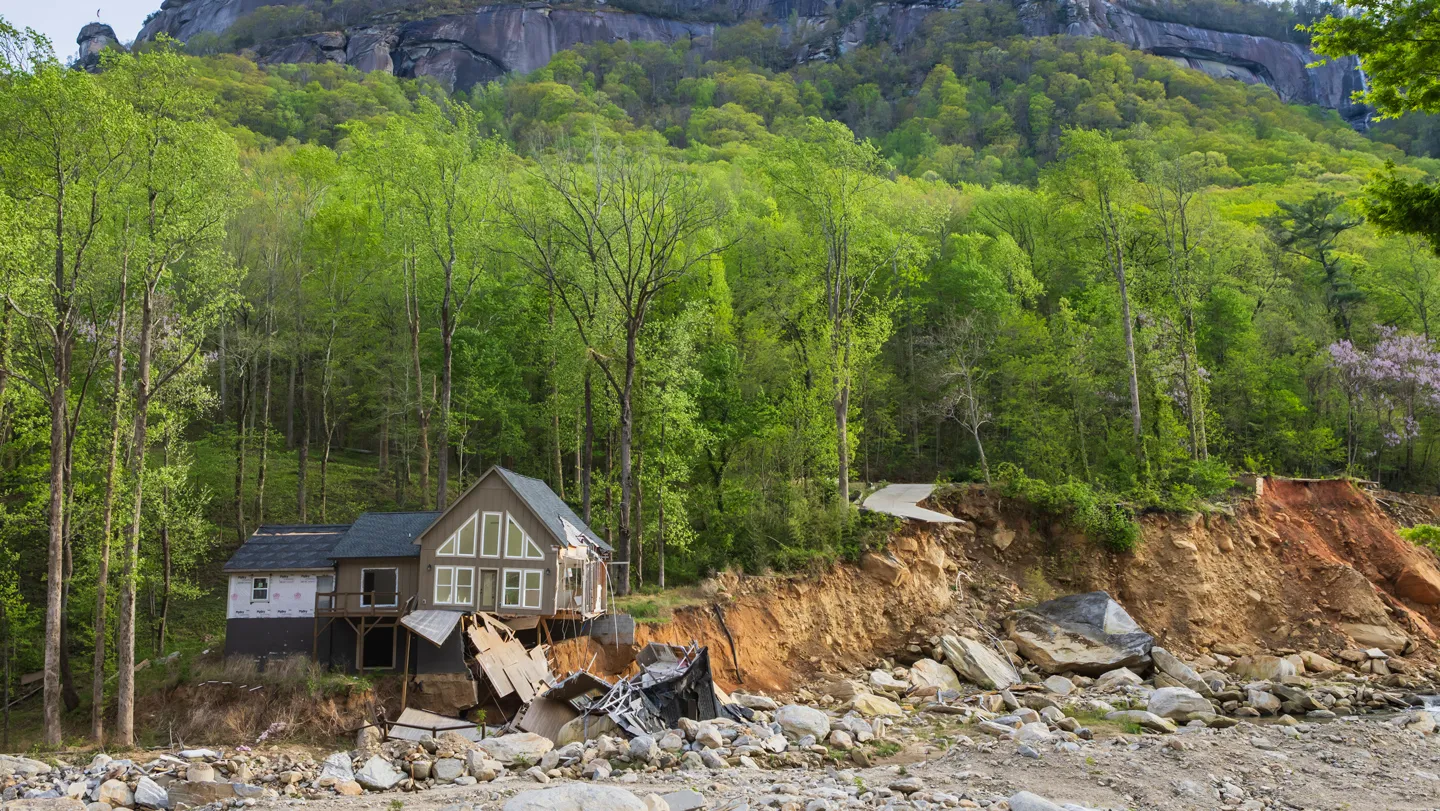
Landslides cause significant damage and fatalities annually in the U.S. A recent study published in Earth's Future highlights that in regions like Appalachia, a landslide hotspot, poverty exacerbates this hazard. Researchers analyzed landslide susceptibility and overlaid it with residential locations, assessing the socioeconomic status of those areas. The findings indicate that at least 6.5 million Americans live with high landslide risk, a conservative estimate that rises with the inclusion of medium-risk populations.
Appalachia alone accounts for 55 percent of the national total of people exposed to landslides, with at least 3.6 million residents, many of whom are low-income, living in prone areas. West Virginia is particularly affected, with 20 percent of its population in high-risk zones, far exceeding the national average of 2 percent. In contrast, wealthier residents in cities like Los Angeles or Seattle, also living in high-risk mountainous areas, are more likely to have access to engineering solutions or the means to relocate after a disaster.
Geologists emphasize the importance of this detailed mapping for hyper-localizing efforts to protect those most in danger. However, landslide mapping efforts face resistance from some property owners and industries concerned about potential drops in property values. For instance, lobbying halted North Carolina's statewide mapping for six years, and recent pushback has occurred in Juneau and Sitka, Alaska, despite limited evidence of property values being significantly impacted by such mapping. Experts hope continued mapping will enhance public safety by enabling better-informed decisions.
AI-samenvatting op basis van de bron.
Science News