Hackaday · Creativity & design
Kelvin–Helmholtz Instabilities Drive Solar Plasma Mixing
New observations from Hawaii's 4-meter solar telescope have revealed Kelvin–Helmholtz instabilities playing a key role in plasma mixing within the Sun's photosphere.
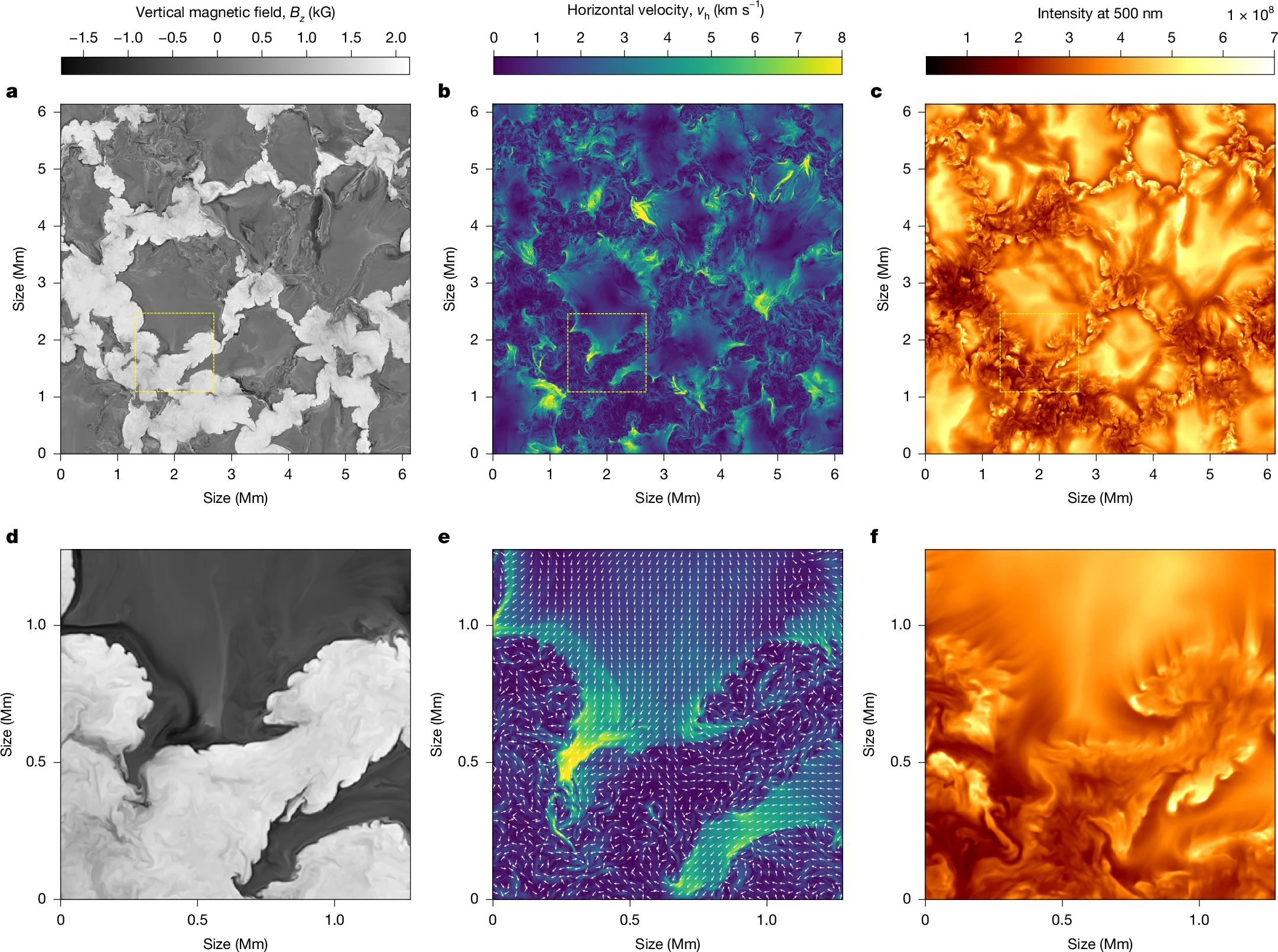
The Sun's photosphere, its surface layer, is characterized by plasma interacting with magnetic fields, driving its dynamic behavior. Contrary to popular depiction, it's not a boiling liquid but rather pockets of plasma at different temperatures, with convective movements creating a 'boiling' appearance.
Researchers observed Kelvin–Helmholtz instabilities within the photosphere. These instabilities arise from velocity shearing in fluids, similar to the effect seen in Earth's clouds that causes a billowing appearance.
A MURaM simulation confirmed these findings, demonstrating how these instabilities actively contribute to the transport of plasma in the Sun's photosphere.
AI-samenvatting op basis van de bron.
Hackaday