Mongabay · Climate & nature
Kashmir's Water Bodies Decline Amidst Development
A six-decade study reveals a significant decrease in Jammu and Kashmir's water bodies, coinciding with a marked expansion of built-up areas. Socioeconomic factors appear more influential than climate variables.
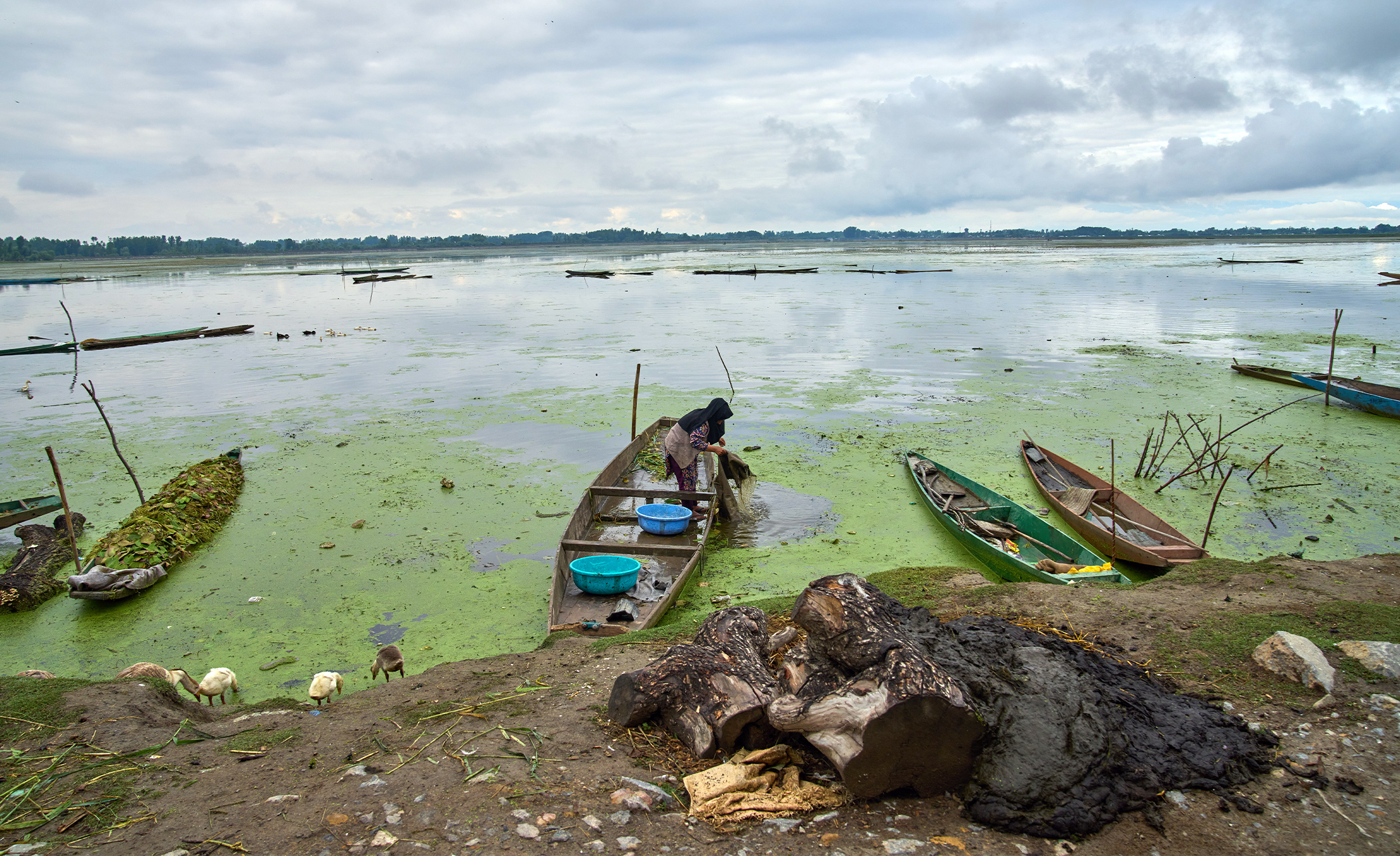
Research from 1960-2020 shows water bodies contracted while built-up areas grew, especially post-1990s. Urbanization, population, income, and transport traffic were more strongly linked to these shifts than climate.
The findings raise questions on whether conservation and land use planning match development pressures on water resources.
The study used interpolated decadal data, suggesting associations rather than precise predictions. Transport, urbanization, literacy, and income were key socioeconomic drivers.
Experts note agricultural land conversion for housing and horticulture, with urbanization and encroachments reducing natural features. Industrial growth also consumes land.
Development needs balancing with conservation. Siltation from catchment issues and pollution from fertilizers, sewage, and pesticides are major concerns.
Each water body faces unique pressures, like willow infestation or sewage. Wetlands face land conversion, encroachment, and pollution; rivers face catchment degradation and mining.
The study recommends integrated planning and wetland buffers. A recent audit found implementation gaps in conservation programs, stressing the need for better management to address degradation causes.
AI-samenvatting op basis van de bron.
Mongabay