Mongabay · Climate & nature
Kiwi Birds Reintroduced to Wellington Hills After 150 Years
A collaborative effort has successfully returned kiwi birds to the hills surrounding Wellington, New Zealand, for the first time in over a century. The Capital Kiwi Project involved iwi, community members, and landowners.
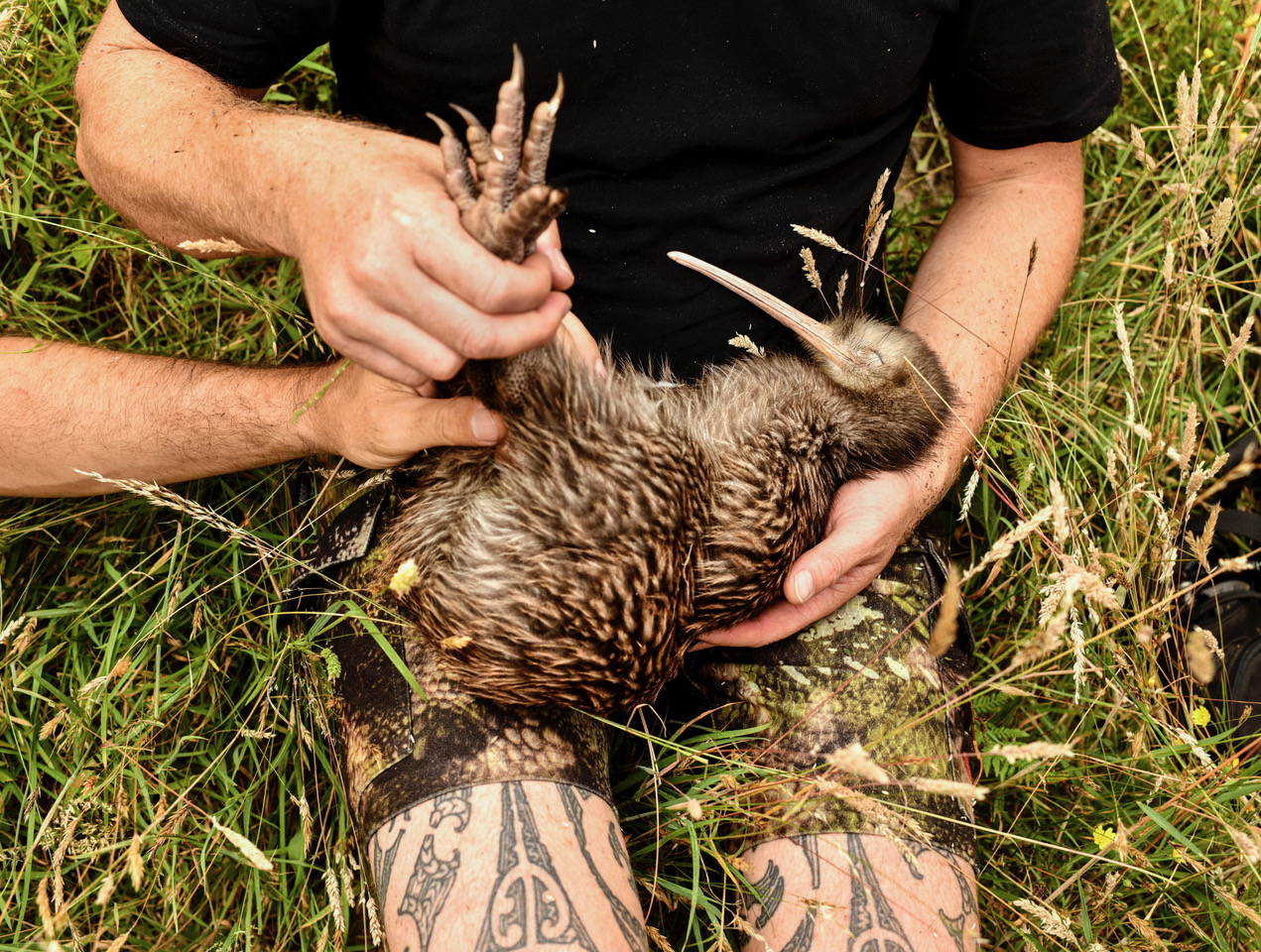
The project involved extensive predator control, deploying over 5,300 traps to remove stoats, a primary threat to young kiwi. This effort covered approximately 24,000 hectares.
Beyond predator removal, the initiative focused on building relationships with iwi and educating the community. Birds are gifted by iwi through a traditional process and then welcomed by the community in a ceremony.
Project lead Paul Ward emphasized the project's foundation on relationships with iwi, communities, and landowners, stating it's as much a relational endeavor as a conservation one.
Rāwiri Walsh, the project's kiwi guardian and iwi liaison, highlighted the cultural significance from a Te ao Māori perspective, where releasing kiwi is seen as restoring a connection to the land.
The project has successfully reared an estimated 60-70 chicks, with an overall population now exceeding 300 kiwi in the Wellington hills. This model is considered a proof of concept for reintroducing other species.
Historically, kiwi were a vital food and fiber source for Māori and became a national symbol. Their decline is attributed to introduced mammalian predators like stoats, cats, and dogs, to which native birds had not evolved defenses.
Conservation efforts have evolved from simply removing birds to predator-controlled environments to more integrated approaches. The Capital Kiwi Project aims for a future where native species can coexist with humans in the wild.
AI-samenvatting op basis van de bron.
Mongabay