Mongabay · Climate & nature
South Sudan's Giraffes Show Surprising Genetic Health Despite Conflict
Giraffes in war-torn South Sudan exhibit a genetically healthy gene pool and maintain connections with nearby populations, according to recent research. This suggests that conflict-affected regions can harbor significant biodiversity.
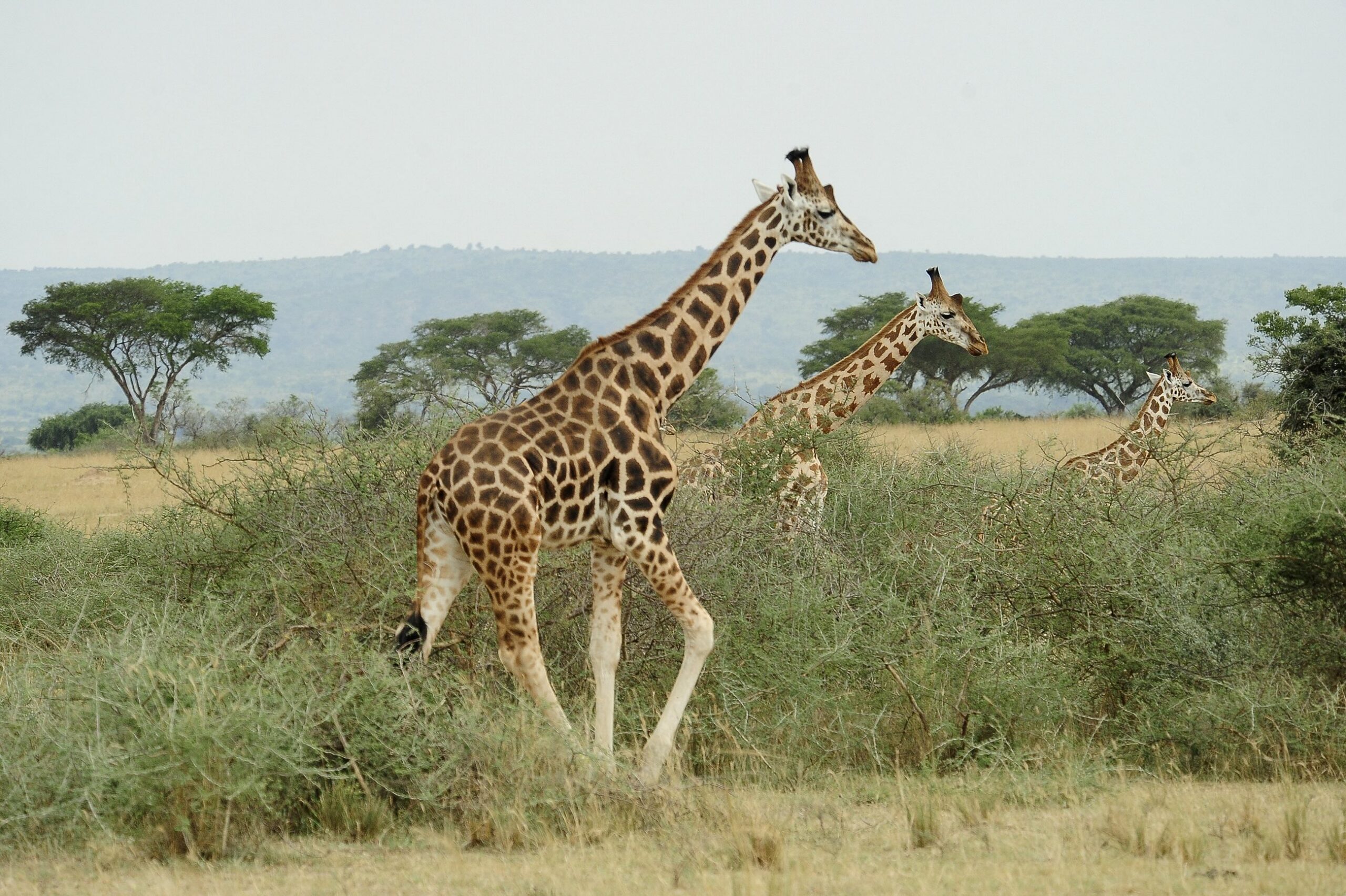
The study focused on Nubian giraffes (Giraffa camelopardalis camelopardalis) in South Sudan, a subspecies that has seen a drastic decline in numbers. Researchers analyzed DNA from skin biopsies of 30 giraffes in Boma and Badingilo national parks.
Contrary to concerns about inbreeding in small populations, the analysis revealed that the South Sudan Nubian giraffes possess relatively high genetic diversity and low levels of inbreeding compared to other populations, such as those in Kenya.
This finding positions the South Sudan population as a genetic stronghold for the Nubian giraffe subspecies.
The research also indicated historical gene flow between the Nubian giraffes in South Sudan and Ethiopia and populations across the White Nile River, challenging previous assumptions that the river acted as a barrier.
From a geneticist's perspective, the future of Nubian giraffes in South Sudan appears optimistic due to their surprising genetic health, even amidst political instability and a lack of active protection.
The relatively untouched Boma-Badingilo savanna landscape provides a stable environment for giraffe populations to potentially increase. While political stability and security remain concerns, improved conservation efforts by the government are showing positive impacts.
AI-samenvatting op basis van de bron.
Mongabay