Mongabay · Climate & nature
Brazil's Acre State Faces Road vs. Deforestation Dilemma
Plans for new roads in Brazil's Acre state, connecting to the Pacific via Peru, are sparking debate between economic development goals and environmental commitments, particularly concerning deforestation and carbon credit revenue.
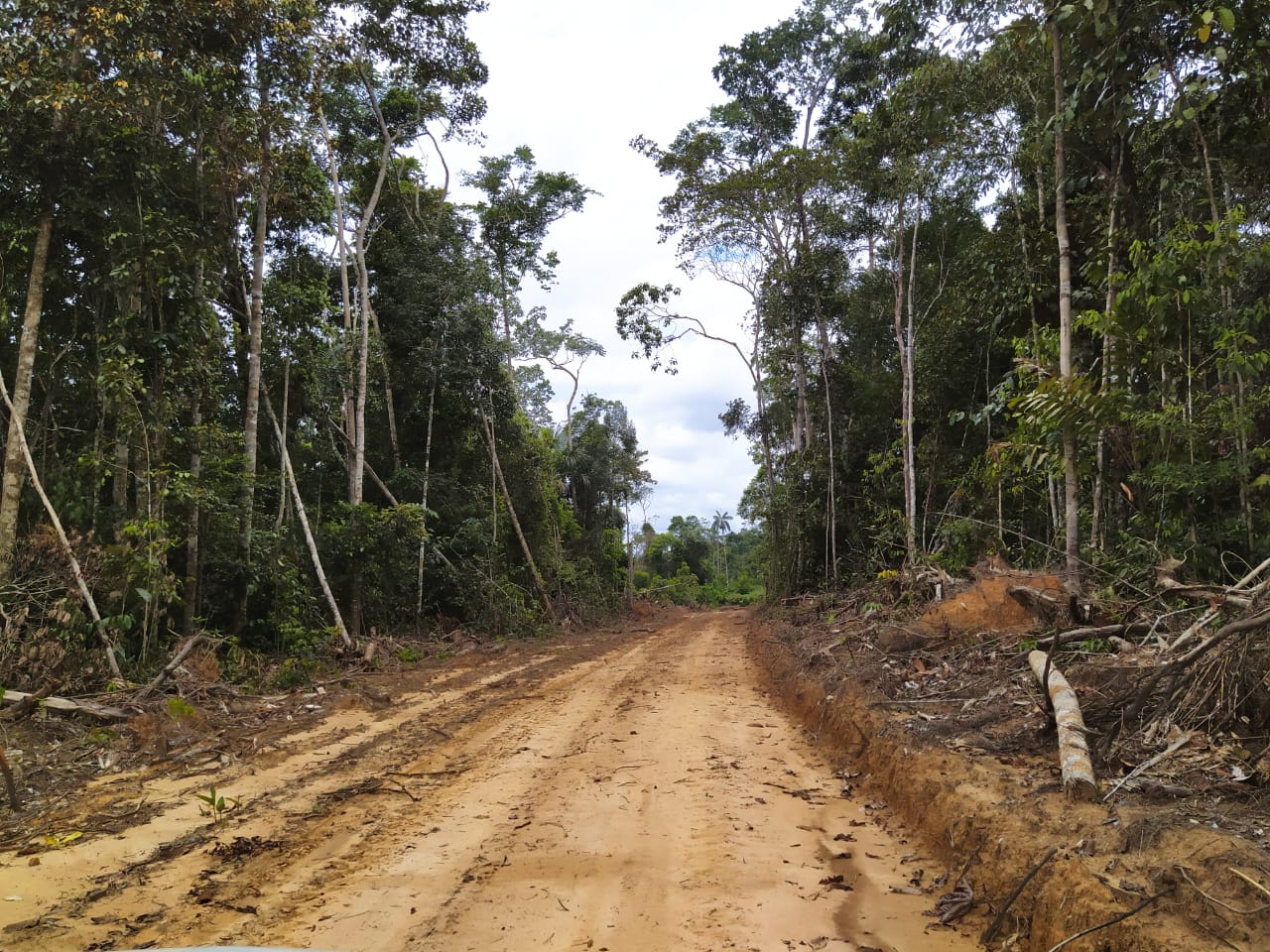
Authorities in Acre are pushing for road extensions, like the BR-364, to create a strategic corridor to the Pacific, aiming to boost local connectivity and economic growth. This follows the inauguration of China-built Chancay Port in Peru.
However, a report by NGO Amazon Conservation warns that such infrastructure could lead to significant deforestation, potentially up to 68,500 hectares annually, and jeopardize Acre's substantial revenue from carbon credit sales.
The uncertainty surrounding the BR-364 extension is already fueling land speculation and potentially emboldening criminal groups along the border, according to local environmentalists.
The BR-317 highway, part of the Interoceanic Highway connecting the Atlantic and Pacific, serves as a precedent, having been linked to deforestation in the Amazon.
The proposed BR-364 extension would cut through the Serra do Divisor National Park, a biodiversity hotspot, and potentially impact Indigenous territories. A previous legal challenge halted construction in 2023 pending viability studies.
While some politicians argue roads and carbon credits are not mutually exclusive, and sustainable development is possible, environmental groups stress that increased deforestation undermines Acre's commitments and its ability to generate income from carbon credits, crucial for its bioeconomy.
The state's ability to meet its deforestation reduction targets, vital for securing future carbon credit revenue and developing sustainable forest product industries, is seen as dependent on political outcomes and sustained conservation efforts.
AI-samenvatting op basis van de bron.
Mongabay