The Optimist Daily · Health
Physical Therapist's Guide to Running Shoes
Running shoe technology often outpaces evidence. A physical therapist advises on choosing shoes based on research, surface, and fit, rather than just marketing claims.
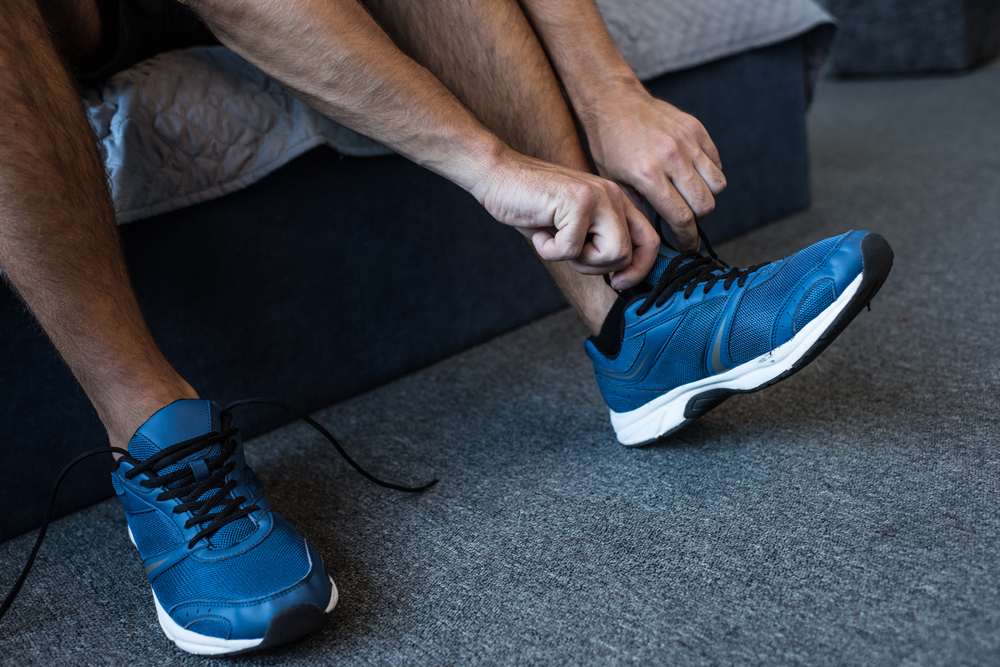
Research indicates thicker midsoles may increase impact and ACL injury risk, contrary to marketing. Dr. McDowell notes science doesn't fully support maximum cushioning for injury prevention.
Match shoes to your surface: road shoes for pavement, trail shoes for natural terrain. Gravel shoes suit mixed surfaces. Buying in person is recommended for immediate comfort.
Max-cushioned shoes can reduce ground feel, hindering neurological adjustments. The ideal may be minimal cushioning for necessary support.
Carbon plates offer stability on trails and propulsion for road racing. However, daily use as trainers may weaken the foot.
Over 60% of adults wear the wrong shoe size. Foot size can change due to weight or medication. Annual professional measurement is advised.
Prioritize function and fit over aesthetics. Key factors are running surface, cushioning needs, and how the shoe feels in the store.
AI-samenvatting op basis van de bron.
The Optimist Daily