Hackaday · Creativity & design
The De Lisle Carbine: A WWII Suppressed Weapon
Hollywood's portrayal of silencers often differs from reality. However, the British De Lisle carbine, a World War II weapon, came remarkably close to achieving cinematic quietness.
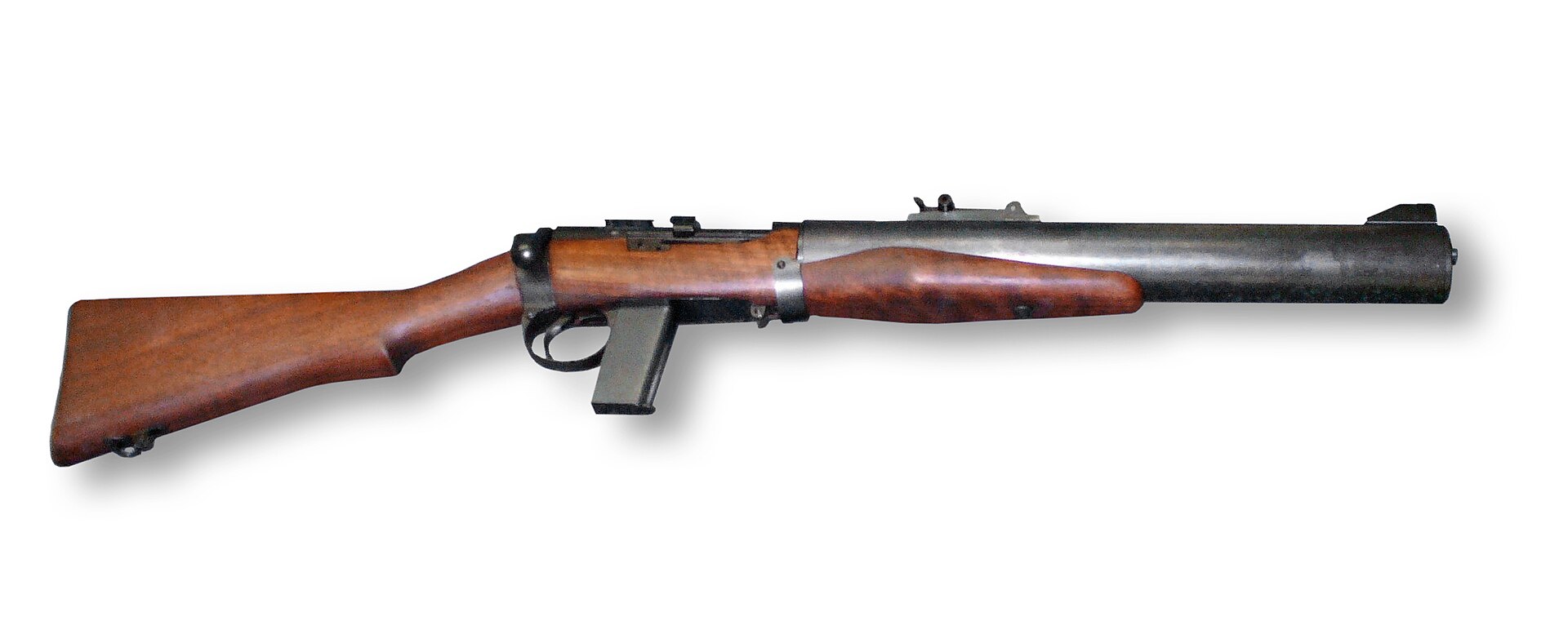
Engineer William Godfray De Lisle created a unique .22 caliber carbine based on the Lee-Enfield Mk III, integrating a large suppressor. Field-tested on his property, it proved effective for hunting during rationing.
The weapon's design, inspired by Maxim's spiral baffles, featured two expansion chambers to absorb gas and shockwaves. A test firing from a tall building into the Thames reportedly went unnoticed by passersby.
Initially a .22 caliber, the carbine was later adapted to fire .45 ACP ammunition, as De Lisle advised against a 9mm version due to supersonic issues. This .45 ACP variant offered greater stopping power and a quieter subsonic report.
The .45 ACP De Lisle carbine achieved a sound level of 85.5 dB, significantly quieter than a contemporary Sten gun (125 dB) or even a silenced Sten (89.5 dB), and was effective up to about 200 meters.
Production of the De Lisle carbine was limited, with only 130 units manufactured out of a planned 500. The weapon combined the bolt-action of the Lee-Enfield with a modified Thompson submachine gun barrel and M1911 pistol magazines.
The De Lisle carbine saw service with British commandos in Europe and Burma, and potentially with US Special Forces in Vietnam. Its success stemmed from its design prioritizing the suppressor for an ultra-quiet operation.
AI-samenvatting op basis van de bron.
Hackaday