Quanta Magazine · Wetenschap
Genome Duplication: A Risky Evolutionary Gamble
Organisms can evolve rapidly by doubling their entire genome, but this high-risk, high-reward event can also lead to extinction. New studies are shedding light on how some species survive this radical evolutionary gamble.
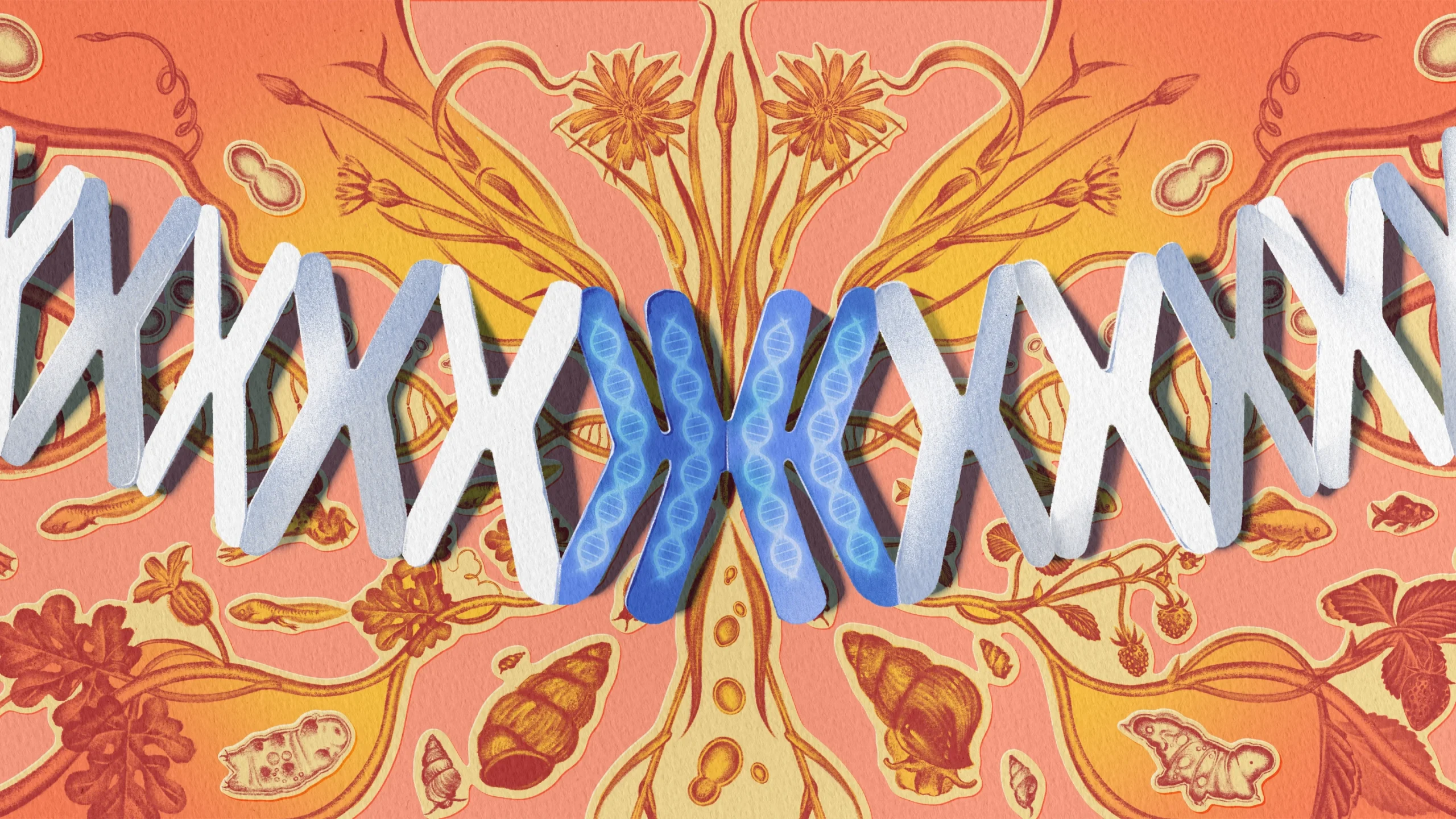
Whole-genome duplication, a condition known as polyploidy where an organism has three or four sets of chromosomes instead of the usual two, is a rare but powerful driver of evolutionary innovation. While often a fatal error in cell division, successful duplications can inject significant genetic novelty, enabling the development of complex traits like large brains in vertebrates, the fleshy fruit of tomato plants, and the silk-spinning organs of spiders. This process is more common than previously thought, with all modern seed plants having undergone at least one ancient genome duplication, and many other species like barnacles, insects, and trout showing evidence of past events.
Scientists are investigating how organisms manage to survive and adapt after such a drastic genetic event. Studies on the snail Potamopyrgus antipodarum, which recently doubled its genome, reveal that the process is chaotic. Immediately after duplication, cells begin modifying, discarding, or retaining surplus genes. This rapid adaptation, though often involving the loss of many duplicated genes, can lead to new functions and evolutionary advantages, especially during periods of severe environmental change. Researchers are working to understand the underlying rules that govern successful genome doubling.
The advent of whole-genome sequencing has revolutionized the study of polyploidy, allowing scientists to analyze genomes base by base and uncover past duplication events. Early research on yeast revealed extensive duplicated genes, leading to the concept of rediploidization, where organisms streamline their genomes by discarding excess DNA. Subsequent studies on plants like Arabidopsis confirmed the prevalence of polyploidy. While the immediate shock of genome doubling is often lethal, leading to sterility or spontaneous abortion in some cases, the potential for rapid evolutionary change makes it a critical, albeit risky, mechanism for adaptation and diversification.
AI-samenvatting op basis van de bron.
Quanta Magazine