ArchDaily · Creativity & design
Seasonal Movement and Architecture in the Gulf
Historically, Gulf communities moved seasonally between desert and coast, with homes designed for mobility. Contemporary developments aim to replicate varied environments within permanent structures.
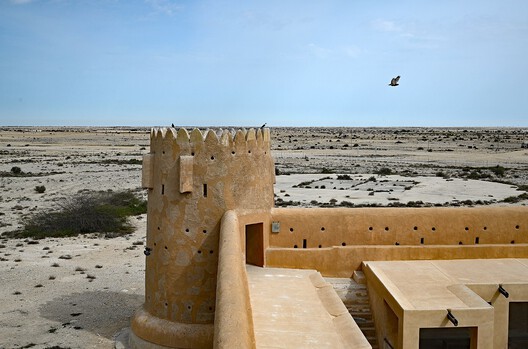
Gulf communities historically moved seasonally between desert pastures, coastal settlements, and pearling ports, with home extending across multiple locations occupied throughout the year. This contrasts with modern developments integrating diverse climatic conditions into permanent urban systems.
Traditional movements followed routes dictated by resources like pasture, water, trade, and maritime economies. The pearling season extended this territory seaward, with seasonal changes dictating occupation patterns.
Repeated journeys made routes and camps familiar, creating continuity despite ephemeral structures. The Bayt al-Sha'ar, a Bedouin tent, was designed for easy dismantling and transport, relying on environmental knowledge for adaptable enclosure.
During the 20th century, oil extraction and state formation reorganized territories, leading to sedentarization. Governments encouraged settlement through housing and employment in emerging oil economies.
Permanent settlements centralized services and employment, with roads and borders formalizing movement. Seasonal movement became increasingly detached from its original livelihood basis.
Winter camping persists as a seasonal activity, often with modern amenities. The purpose has shifted from livelihood to recreation, with the city traveling with its inhabitants.
Contemporary projects, like NEOM's The LINE, aim to create varied climates within permanent structures, integrating multiple environmental conditions into infrastructure. This shift moves from adaptation through mobility to control through construction.
AI-samenvatting op basis van de bron.
ArchDaily