ArchDaily · Creativity & design
Container Architecture Adapts to US Climates
Shipping containers are increasingly used as building materials across the US, but their application varies significantly based on regional climates and local regulations.
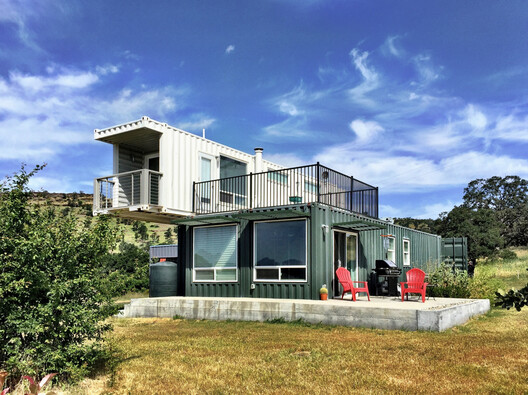
In the arid Southwest, extreme heat and UV exposure necessitate reflective roof coatings, secondary roofs (ramadas), and robust insulation and ventilation systems. Rapid overnight temperature drops also require careful climate control.
Northern regions face challenges from extreme cold, freeze-thaw cycles, and heavy snow loads. Solutions include extensive insulation (R30-R60) via spray foam or rigid panels and sloped roofs designed to shed snow, with potential reinforcement for flat roofs.
The humid South requires protection against storms, high humidity, and salt-air corrosion. Closed-cell spray foam insulation prevents condensation, while marine-grade coatings protect the exterior. Heavy-duty anchor points are crucial for high winds.
In high-density urban areas, space is limited. Stacking containers vertically offers some insulation, and living green roofs can mitigate heat buildup and manage stormwater.
Beyond climate, conversions must comply with local building codes and zoning ordinances. Sourcing containers locally reduces costs and environmental impact. Foundation types vary based on soil stability and site access.
While adaptable, extensive modifications for extreme climates can make container conversions less cost-effective than traditional construction. Conventional builds may be preferable for complex designs or specific aesthetic requirements.
AI-samenvatting op basis van de bron.
ArchDaily