The Optimist Daily · Climate & nature
South Korea's Food Waste Reduction Success and NYC's Approach
South Korea achieved a nearly 97% food waste recycling rate since 1996 through a multi-decade policy strategy. New York City is adopting some methods but faces challenges.
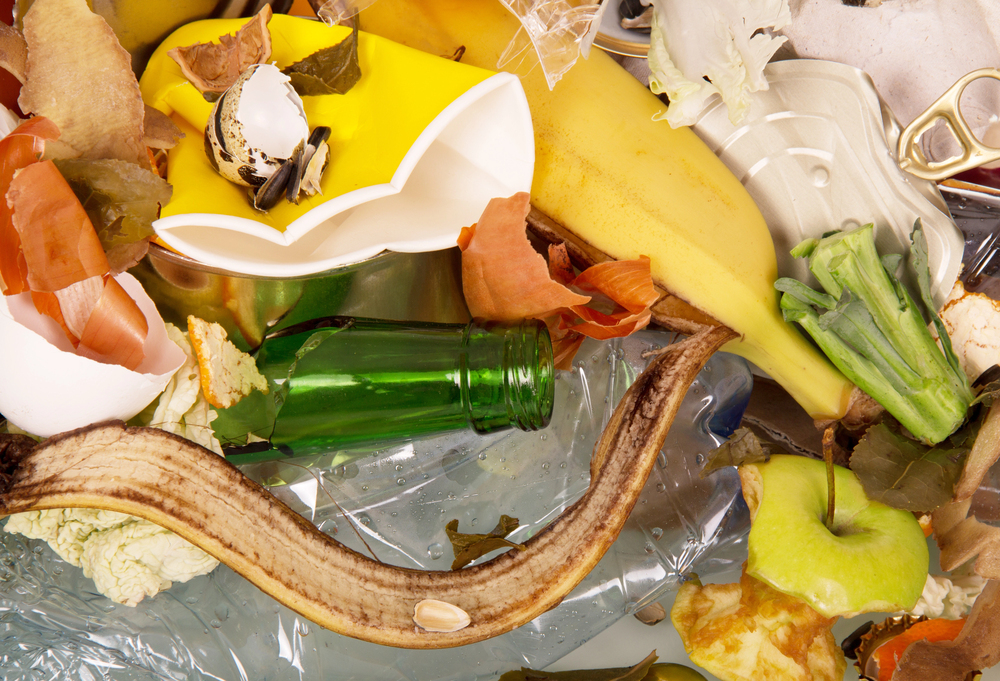
South Korea implemented volume-based fees (1995), mandatory separation (1997), a landfill ban (2005), and RFID smart bins (2010). The pay-as-you-throw system increased accountability.
Food waste in landfills produces methane. Recycling it into energy, as South Korea does, mitigates climate impact and generates fuel. The country aims to displace $170 million in fossil fuels by 2026.
NYC made food waste separation mandatory in October 2024 for 3.4 million households. In 2025, it managed 140,000 metric tons of residential organic waste, about 9% of the total.
NYC's program offers free smart bins but relies on enforcement, not direct financial accountability. The city has conducted outreach and issued violations.
Collected waste becomes fertilizer or biogas. A key limitation is low compliance, especially in apartments where 70% of New Yorkers live.
Experts suggest South Korea's RFID bin system, linking waste to cost, could improve NYC compliance if adoption and separation challenges are addressed.
AI-samenvatting op basis van de bron.
The Optimist Daily